
Reviewed · FOOD & DRINK
Traditional Vegetarian Food & Village Dance Masterclass
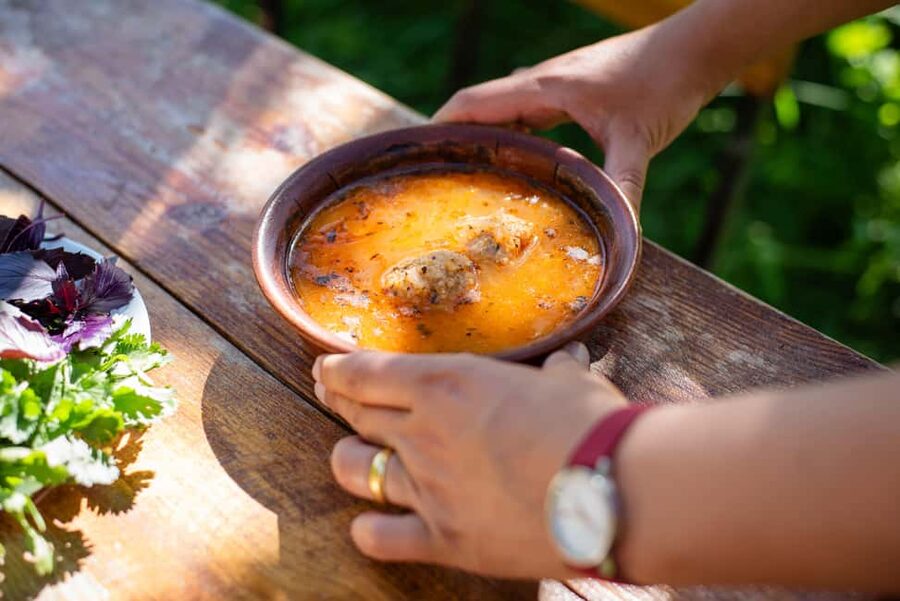
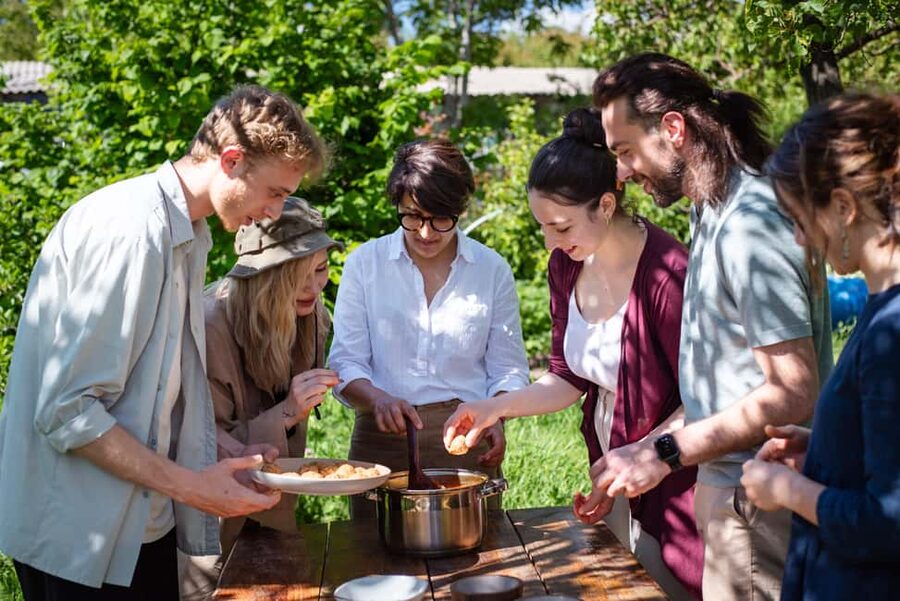
Food can carry a village’s memory. In Ashnak, you cook Sasuni klulik with local women over an open fire, then hear how this vegetarian dish connects the village to Sasun, Western Armenia. I like the hands-on cooking and the chance to learn from people who still care deeply about keeping the recipe alive. I also like that the meal is paired with local stories, tea, sweets, and a real welcome rather than a quick demonstration.
The dance lesson adds a second window into village life. Local children teach traditional Sasun dances to their visitors, which gives the 90-minute visit a cheerful, human touch. My main caution is the short duration: if you want a long meal, a broad village walk, or a full cultural program, this activity may feel brisk. At $20 per person, though, it offers an unusually personal introduction to Ashnak at a modest price.
In This Review
- Key points to know before you go
- Arriving at Noosh Guest House in Ashnak
- Making Sasuni klulik over an open fire
- Hearing the story behind a vegetarian dish
- Learning Sasun dances from local children
- Sitting down for a home-cooked meal
- Why the $20 price offers good value
- Who will enjoy this Ashnak experience most
- Practical details for planning your visit
- Should you book the klulik and dance masterclass?
- FAQ
- Where does the experience take place?
- How long does the activity last?
- How much does it cost?
- What food will I prepare?
- Is a meal included?
- Which languages are available?
- Can I cancel or pay later?
Key points to know before you go
- Klulik cooks over an open fire: You help prepare a historic vegetarian dish made with bulgur and served in a tangy cabbage broth.
- Ashnak preserves Sasun traditions: The village was founded by survivors of the Armenian Genocide, and food and dance remain important links to their ancestral home.
- Children lead the dance lesson: You learn traditional Sasun dances from local children, who are said to begin dancing before they can walk.
- The welcome is the main event: The experience centers on local hospitality, conversation, and sharing food rather than watching a staged show.
- The visit lasts 1.5 hours: It fits well into a day in Aragatsotn Province, but it leaves little time for extra activities.
- The price is $20 per person: Cooking, dancing, a meal, tea or coffee, local sweets, and storytelling are all included.
Arriving at Noosh Guest House in Ashnak
Your meeting point is Noosh Guest House, directly in Ashnak Village. That makes the visit simple once you reach the village, since you do not need to search for a separate restaurant, cultural center, or cooking school.
Ashnak is in Armenia’s Aragatsotn Province and carries a particular Armenian story. The village was founded by survivors of the Armenian Genocide, including families connected to Sasun, a historic region of Western Armenia that is now in Turkey. That background matters here. You are not simply learning a recipe labeled traditional for marketing purposes. You are seeing how a community keeps memories from an ancestral homeland present in daily life.
I would arrive ready to take part rather than simply watch. The cooking, dancing, and conversation are the point, so this suits you best if you enjoy joining in, asking questions, and accepting a little good-natured instruction.
The listed languages are Armenian, English, and Russian. That gives English-speaking visitors a practical way to follow the cooking and cultural explanation, while Armenian and Russian speakers may find it easier to chat with the local hosts.
More Food and Drink Tours in Armenia:
- Khor Virap, Noravank and Birds’ Cave Trip with Wine Tasting
★ 4.8 · 845 reviews - Cultural Walking Tour in Yerevan with Armenian food Tastings
★ 5.0 · 334 reviews - Khor Virap, Noravank & Birds’ Cave Day Trip with Wine Tasting
★ 5.0 · 320 reviews
Making Sasuni klulik over an open fire
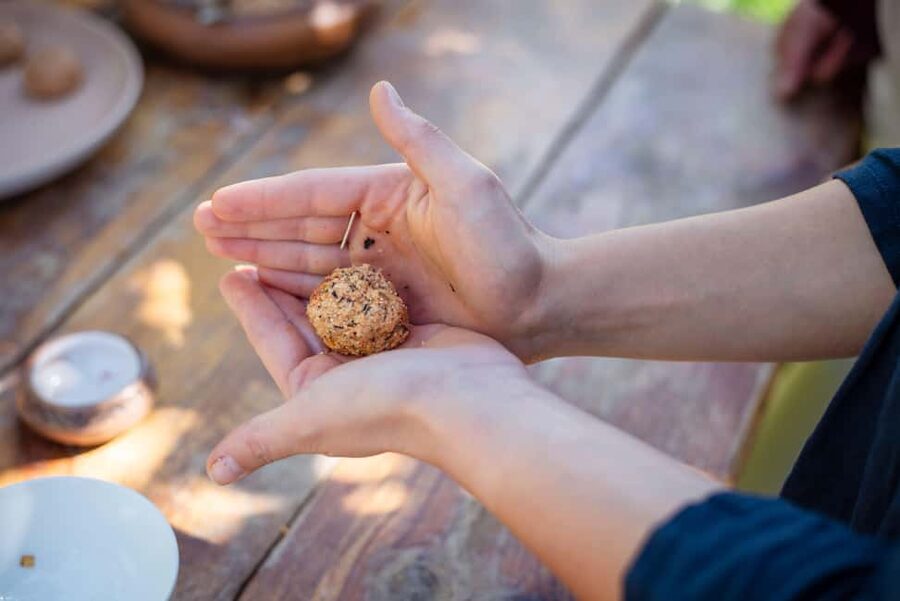
The cooking begins with local women guiding you through klulik, a cherished dish from Sasun. The name refers to small round balls, and the main ingredient is bulgur. The dumpling-like pieces cook in a tangy cabbage broth, creating a simple vegetarian dish with a strong connection to place.
What I like here is the physical nature of the lesson. You are not watching a chef prepare a finished plate in a modern kitchen. You take part in making a dish that was once prepared in large family gatherings. The open fire adds a rural feel and helps you understand the older setting in which food was prepared and shared.
The recipe has changed over the generations, but that is part of its value. Family dishes rarely remain frozen in one exact form. Ingredients, cooking methods, and available tools shift, while the dish’s meaning continues. In this case, klulik still links Ashnak’s families to Sasun and to the people who carried the recipe with them.
You can expect the local women to explain how the dish was made and why it matters. The available details do not specify every step or ingredient, so you should not arrive expecting a formal cooking-school syllabus or a printed recipe. This is better understood as a short cultural lesson built around one dish.
The open-fire format may also shape the pace. You will be waiting for the klulik to cook, rather than moving through several recipes. That waiting time is useful, since it allows the conversation and stories to become part of the meal instead of treating food as a task to finish quickly.
Hearing the story behind a vegetarian dish
Klulik is more than a meal on this visit. It represents survival, family memory, and the way Armenian communities have carried customs across borders and generations.
The story of Sasun gives the dish weight. Families from Western Armenia brought their food traditions to new homes, including Ashnak. A plate of bulgur and cabbage broth may seem plain at first glance, but the story behind it turns the dish into a record of displacement and endurance.
I appreciate that the experience uses food to explain history without turning the visit into a classroom lecture. You learn through the actions of preparing, waiting, eating, and listening. That usually gives a clearer sense of how heritage works in ordinary life.
The meal is made with locally sourced ingredients, and it is served by the people hosting the activity. That does not mean you should expect a large feast or a restaurant-style menu. The attraction is the connection between the ingredients, the village, and the families who keep the dish in use.
If you enjoy Armenian food, this offers something different from a standard restaurant meal. If you are less familiar with Armenian cuisine, it gives you a focused starting point. Klulik is vegetarian, so it also suits you if you prefer meat-free food. The details provided do not identify every ingredient or flag common allergens, so you should ask your host about those needs when booking or on arrival.
Learning Sasun dances from local children
While the klulik cooks, local children perform and teach traditional dances from Sasun. This is the most playful part of the visit, and it helps break up the cooking time.
The children’s role is important. You are not receiving a polished stage production from professional performers. You are learning from young people who grew up with these dances as part of village culture. The line that children learn to dance before they walk captures the pride Ashnak places in its traditions.
You will likely be invited to follow the steps rather than sit back. That makes the lesson accessible even if you have no dance experience. The point is not perfect footwork. It is to feel the rhythm, copy the movement, and share a moment with the people of the village.
I like the contrast between the two activities. Cooking connects you with older family traditions, while the children show how those traditions continue into the next generation. The visit therefore has both a kitchen and a community side.
Still, keep the setting in mind. This is a village dance lesson within a 1.5-hour activity, not a long performance with a full program of regional dances. If you want a detailed study of Armenian folk dance, you will need more time elsewhere. If you want a warm and informal introduction, this format works well.
A few more options to weigh up in Armenia
- Yerevan: Traditional Armenian Cuisine Private Cooking Class
★ 4.8 · 13 reviews - Day trip to Sevan, Tsaghkadzor, Fish Making Masterclass
★ 5.0 · 8 reviews - Masterclass of Armenian food with a local family in Yerevan
★ 5.0 · 7 reviews - Khachkar Crafting Masterclass: Unveiling Armenia’s Heritage
★ 3.8 · 4 reviews
Sitting down for a home-cooked meal
Once the klulik is ready, you sit with your hosts and eat what you helped prepare. Tea or coffee and local sweets are also included, giving the meal a pleasant finish.
The shared table may be the strongest part of the experience. Cooking together removes the distance between host and visitor. By the time the dish is served, you have watched it take shape, heard its story, and joined the dance lesson. The food becomes a reason to sit together, not the only purpose of the visit.
One visitor from Belgium described the welcome as being treated like royalty. That praise points to the heart of the experience: Armenian hospitality expressed through food and dance. You should expect a personal welcome and an open invitation to participate, rather than a detached presentation.
The locally sourced ingredients also help connect the meal to Ashnak. You are eating food prepared in the village, by people who are sharing their own traditions. That makes the $20 price feel fair, especially since the fee covers several parts of the visit: cooking instruction, dancing, the meal, drinks, sweets, stories, and the use of a local setting.
At the same time, keep your expectations sensible. The experience lasts only 90 minutes, so the meal is part of a compact program. It is not designed as a long evening of courses and conversation. You get a taste of village hospitality, not an entire day of rural life.
Why the $20 price offers good value
At $20 per person, this is an affordable cultural activity. The value comes from the number of elements packed into a short visit, not from the size of the meal.
You receive instruction from local women, a dance lesson with local children, cultural storytelling, a home-cooked vegetarian meal, tea or coffee, and local sweets. Comparable activities that combine food, performance, and personal contact can cost much more in major tourist centers.
The strongest value is the access. You are meeting people connected to the traditions rather than only seeing Armenian culture presented in a museum or restaurant. That direct contact gives the price more meaning.
The short length keeps the cost down and makes it easy to add the visit to a wider day in Aragatsotn Province. If your schedule is tight, 1.5 hours is manageable. If you are specifically looking for a slow village stay, the activity may feel too brief.
You can reserve now and pay later, which helps if your Armenia plans are still changing. Free cancellation is available up to 24 hours before the activity for a full refund. Those terms reduce the risk of fitting this visit into a changing itinerary.
Who will enjoy this Ashnak experience most
I would recommend this activity to you if you value personal contact more than a long list of sights. It is especially suitable for:
- Food-focused visitors: You get to prepare and eat a traditional vegetarian dish instead of only sampling finished food.
- Cultural travelers: The stories of Sasun, Ashnak, and family traditions give the cooking real context.
- Families: Children may enjoy learning dances from local children, though the provided information does not specify a minimum age.
- Vegetarians: Klulik is a vegetarian dish, and the meal centers on locally sourced ingredients.
- Short-stay visitors: The 90-minute schedule fits neatly into a day of exploring the province.
- Visitors seeking village contact: The activity takes place at a local guest house and focuses on direct hospitality.
You may want to choose something else if your main goal is a long Armenian feast, a detailed cooking course covering several dishes, or an extended tour of Ashnak. The experience is focused and intimate. Its strength is not quantity.
The activity is listed as wheelchair accessible, which makes it a practical option for visitors who need an accessible cultural program. Since the activity includes cooking over an open fire and movement during dancing, you should still confirm any specific access needs when arranging your visit.
Practical details for planning your visit
Plan to go directly to Noosh Guest House in Ashnak Village. The experience lasts 1.5 hours, and starting times depend on availability, so check the schedule before you set the rest of your day.
Armenian, English, and Russian are available for the live guidance. That is useful during the cooking lesson, when understanding the story and instructions adds much to the visit.
The price is $20 per person. Cooking, the dance lesson, the home-cooked meal, locally sourced ingredients, tea or coffee, local sweets, and cultural storytelling are included.
I would avoid treating this as a passive show. Wear something that allows comfortable movement, arrive ready to handle food, and expect to join the dancing if invited. Specific clothing requirements are not provided, so simple practical clothes are the safest choice.
The activity has a current rating of 5 from one recorded review, including strong praise for the welcome and the way food and dance express Armenian hospitality. One review is too small a sample to prove that every visit will feel identical, but it does support what the activity itself promises: a friendly, personal encounter rather than a standard sightseeing stop.
Should you book the klulik and dance masterclass?
Book it if you want a short, affordable way to meet local people and understand how Armenian heritage lives in food, family stories, and dance. The combination of open-fire cooking, Sasun history, children teaching traditional steps, and a shared meal gives you far more than a simple tasting.
I would make this a strong choice for a day in Aragatsotn Province, especially if you prefer meaningful contact over a packed schedule. Just remember that 90 minutes goes quickly. You will leave with an introduction to Ashnak and its traditions, not a full village tour.
For $20, the experience earns its place through warmth and access. If that is what you want from Armenia, Noosh Guest House offers a fine reason to stop in Ashnak.
FAQ
Where does the experience take place?
The activity takes place at Noosh Guest House in Ashnak Village, in Armenia’s Aragatsotn Province.
How long does the activity last?
The experience lasts 1.5 hours.
How much does it cost?
The price is $20 per person.
What food will I prepare?
You will help prepare Sasuni klulik, a historic vegetarian dish made with bulgur and cooked in a tangy cabbage broth.
Is a meal included?
Yes. A home-cooked meal made with locally sourced ingredients is included, along with tea or coffee and local sweets.
Which languages are available?
The live guide service is available in Armenian, English, and Russian.
Can I cancel or pay later?
You can cancel up to 24 hours in advance for a full refund. You can also reserve now and pay later.
Just added in Armenia
- Armenia: Wine Tasting and Vineyard Lunch at Voskeni Winery★ 5.0 · 1 review
- YerevanCard: 3-Day City Pass★ 5.0 · 1 review
- Yerevan: Walking Tour With an Architect
- Yerevan: Museum of Illusions Entry Ticket★ 5.0 · 3 reviews
- Yerevan to Tbilisi Day Tour: Unveiling Transcultural Wonders★ 4.8 · 2 reviews
- Yerevan: Urban Hike through Aygestan and Old Nork★ 5.0 · 1 review
- Yerevan City Tour: Discover an Old and New Yerevan★ 5.0 · 2 reviews
- Yerevan: Brandy Tasting Experience with Local Delicacies★ 5.0 · 1 review
Food & Drink, compared.
Khor Virap, Noravank and Birds’ Cave Trip with Wine Tasting
Read our review →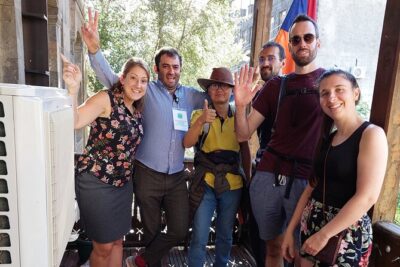
Cultural Walking Tour in Yerevan with Armenian food Tastings
Read our review →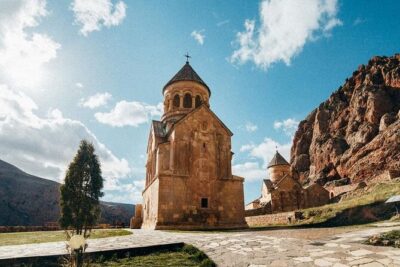
Khor Virap, Noravank & Birds’ Cave Day Trip with Wine Tasting
Read our review →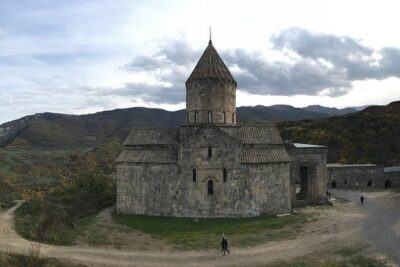
Tatev & Shaki Waterfall Guided Group Tour with Wine Tasting
Read our review →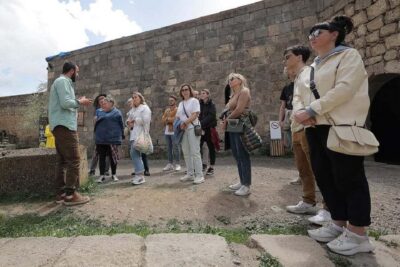
Tatev Day Trip with Shaki Waterfall & Wine Tasting
Read our review →
Khor Virap, Noravank, Jermuk, Areni wine tasting
Read our review →
Tour Transfer to/from Tbilisi with Lake Sevan & Wine tasting
Read our review →Browse the lists this tour appears in