
Reviewed · ARMENIAN WINE TASTING
Yerevan: Armenian Wine Tasting at In Vino
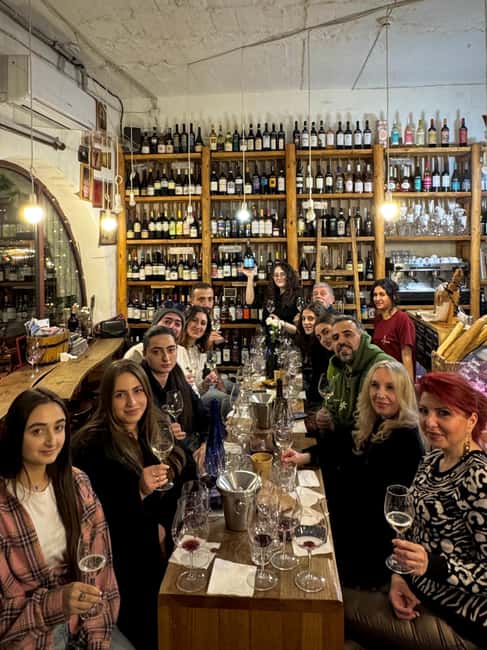
Armenia pours its past into a glass. At In Vino, you taste six Armenian wines while learning how local grapes, regions, and food shape the country’s wine culture. I like the changing daily selection, which keeps the tasting from feeling fixed or routine. I also like the relaxed shop-and-bar setting, where you can stay afterward and order more wine at reasonable prices.
The tasting includes two whites, two rosés, and two reds, plus a platter of local salamis and cheeses. Guides such as Mariam, Emile, and Ani have made the presentation friendly and easy to follow. The main consideration is that this is an indoor shop experience, not a vineyard visit, so you will not see vines or a winery in operation.
In This Review
- Key points at a glance
- Why In Vino is a smart first stop for Armenian wine
- Finding the beige awning near Saryan House-Museum
- The six-wine tasting: whites, rosés, and reds
- What the sommelier explains during the presentation
- Salami, cheese, and the practical side of pairing
- The shop after the formal tasting
- Is $29 a fair price?
- Who will enjoy this tasting most?
- A few practical tips before you go
- Should you book the In Vino tasting?
- FAQ
- Where does the Armenian wine tasting take place?
- How long does the activity last?
- How many wines are included?
- Does the wine selection stay the same every day?
- What food is included?
- What language is the tasting in?
- Is the tasting suitable for children?
- Can pregnant women take part?
- Can I cancel the booking?
Key points at a glance
- Six Armenian wines in three styles: You taste two whites, two rosés, and two reds, giving you a useful first look at the range of Armenian wine.
- A different lineup each day: The wines change daily, so the exact bottles are not fixed in advance.
- Local food with the tasting: Artisanal salamis and cheeses help show how Armenian wines work with food.
- Clear English guidance: The presentation covers endemic grapes, winemaking, regional traits, and pairings.
- A central-feeling Yerevan stop: The meeting point is by the Martiros Saryan House-Museum, marked by small colorful outdoor tables and a beige awning.
- A good post-tasting option: You can stay at In Vino and order additional bottles or glasses after the formal tasting.
Why In Vino is a smart first stop for Armenian wine
Armenian wine can be unfamiliar even to people who drink wine regularly. The grape names, growing regions, and styles may not mean much before you arrive. A guided tasting gives you a starting map, and In Vino is designed for exactly that purpose.
The shop is described as Yerevan’s first specialized wine shop and bar, with wines from Armenia and many other parts of the world. For this experience, the focus stays on local bottles. That makes the tasting more useful than simply choosing a bottle at random from a restaurant menu.
I like the range built into the format. Two whites, two rosés, and two reds let you compare more than one style without making the session feel like a marathon. You can begin to work out whether Armenian wine suits your taste in lighter whites, fruitier rosés, or fuller reds.
The daily changes are both a strength and a small limitation. You get a fresh selection rather than a locked-in script, but you cannot choose the exact six wines ahead of time. If you have your heart set on a particular Armenian grape or producer, ask the sommelier what is being poured that day.
More Food and Drink Tours in Yerevan
- Khor Virap, Noravank and Birds’ Cave Trip with Wine Tasting
★ 4.8 · 845 reviews - Cultural Walking Tour in Yerevan with Armenian food Tastings
★ 5.0 · 334 reviews - Khor Virap, Noravank & Birds’ Cave Day Trip with Wine Tasting
★ 5.0 · 320 reviews
Finding the beige awning near Saryan House-Museum
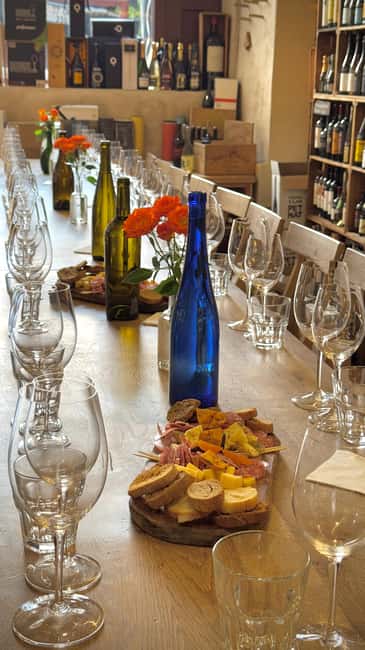
Your meeting point is in front of the Martiros Saryan House-Museum. Look for the small colorful tables outside and the beige awning. That detail matters in a city setting, since a wine shop can be easy to miss if you are expecting a large tour office or a marked coach.
I would arrive a few minutes early with comfortable shoes and a camera if you want to record the bottles or the setting. The activity is based in the shop and bar, so there is no transport segment to manage and no need to plan around a long drive outside Yerevan.
The venue itself is part of the appeal. It is a small, cozy place rather than a formal tasting hall. That makes conversation easier and gives the session a social feel, but it also means you should not expect a spacious cellar or a grand winery room.
The six-wine tasting: whites, rosés, and reds
The tasting covers six local wines: two whites, two rosés, and two reds. The progression gives you a practical way to notice differences in color, weight, aroma, and finish, even if you are new to Armenian wine.
The white wines are a useful introduction to how Armenian grapes can express freshness and regional character. You will hear the sommelier explain the grapes and the areas where they are produced, then you can compare the two glasses rather than judging one in isolation.
The two rosés add a middle ground. They can help you see how winemakers use the same broad family of wine styles to create something lighter than red wine but more structured than many whites. The exact character depends on the bottles selected that day.
The red wines complete the basic picture. I find this three-part structure useful because it avoids making the tasting too narrow. You are not simply told that Armenia makes good wine. You get six examples to compare and enough range to identify styles you might want to seek out later.
The selection changes daily, and that is worth treating as a feature rather than a problem. The staff can respond to what is available and to the group’s interests. One day may bring more emphasis to a grape or region that another day does not. If you return to In Vino, you may get a noticeably different introduction.
What the sommelier explains during the presentation
The formal presentation lasts about one hour, while the full activity is listed as 90 minutes. That extra time gives the tasting room to breathe. You are not expected to rush through six glasses and a food board before the clock runs out.
The guide covers four main subjects:
- Armenian endemic grapes
- The winemaking process
- Regional characteristics
- Food pairings
The grape discussion is the heart of the experience. Armenia has local grape varieties that may be new to you, and the guide places them in a useful context instead of simply reciting names. You learn what makes the grapes distinct and how they contribute to the wines in your glass.
The winemaking section helps connect the finished drink with the work behind it. You can ask about production methods and how local conditions affect the final style. The presentation is not pitched as an advanced wine course, which is a good thing for most visitors. It is approachable enough for beginners but still gives experienced drinkers something to consider.
Regional information adds another layer. You learn that Armenian wine is not one single style. The area where the grapes are grown affects the flavor and character, and the guide uses the tasting to show those differences.
The format also welcomes questions. Mariam has been praised for explaining things clearly and creating an easy conversation. Emile has been described as patient when discussing origins, flavors, and production details. Ani has also provided a thoughtful one-on-one tasting for a solo participant. Those examples suggest that the quality of the session depends partly on your guide and the day’s group, but the staff’s teaching style is a major strength.
More Wine Tastings in Yerevan
- Group tour: Khor Virap, Noravank, Areni Winery and Cave
★ 5.0 · 651 reviews - Tatev & Shaki Waterfall Guided Group Tour with Wine Tasting
★ 5.0 · 266 reviews - Group Tour: Lake Sevan, Hayravank, Noratus, Jermuk, winery
★ 5.0 · 256 reviews - Yerevan: Tatev Day Trip with Shaki Waterfall & Wine Tasting
★ 4.9 · 193 reviews
Salami, cheese, and the practical side of pairing
The tasting comes with a platter of artisanal local meats and cheeses. This is not just decoration for the table. Food changes how wine tastes, and the board gives you a simple way to test the pairing advice as you go.
Try a sip of wine before eating, then taste it with one of the meats or cheeses. You may notice that acidity feels different, fruit flavors become softer, or a red seems more balanced with food. You do not need formal tasting skills. The point is to make the lesson tangible.
The local food also broadens the experience beyond the wine itself. You are not only hearing about Armenian products. You are trying a small selection alongside the bottles, which gives the tasting a stronger connection to local eating habits.
There is one useful point to keep in mind. The food board includes meat and cheese, and one person specifically suggested that guests should be asked if they prefer a meat-free snack plate. If you do not eat meat, make your preference clear before or at the start of the session. The available information does not promise a vegetarian alternative, so do not assume one is included.
The shop after the formal tasting
One of the nicest practical benefits is that In Vino remains available after the guided portion. You can stay longer, sample additional wines, or buy a bottle for later. The shop is described as having a broad selection and affordable wines, so the tasting can lead naturally into a second glass or a purchase.
I would use the final part of the visit to ask the guide which bottle best matches your taste. This is especially helpful if one of the six pours stood out to you. You can also ask for a recommendation based on the style you preferred, since the staff can point you toward another local bottle.
That follow-up option improves the value of the experience. You are not left with six brief impressions and no way to continue. You can turn the tasting into a personal introduction to Armenian wine shopping in Yerevan.
Still, keep your expectations realistic. The extra drinking is not part of the included guided tasting. Additional wine costs extra, and the tour price covers the six pours, the presentation, and the food board.
Is $29 a fair price?
At $29 per person, I consider this good value for a 90-minute activity in central Yerevan. You receive six local wines, an English presentation, discussion with a wine specialist, and a platter of artisanal salamis and cheeses.
The value is strongest if you are new to Armenian wine. Buying six separate bottles would cost more and would not give you the same explanation of grape varieties or regional differences. You also avoid the risk of choosing bottles based only on labels you do not recognize.
The price is less compelling if you already know Armenian producers well or if your main goal is to visit vineyards. This experience takes place at In Vino, not at a rural estate, so it is about tasting and learning rather than touring vineyards, cellars, or production equipment.
For many visitors, the cost also buys confidence. After the tasting, you have a better chance of choosing a bottle you will actually enjoy at dinner or back home. That makes the session useful beyond its 90 minutes.
Who will enjoy this tasting most?
I would recommend it most strongly to adults who want a gentle, informative introduction to Armenian wine. It works well for couples, friends, solo visitors, and small groups who prefer conversation to a large organized tour.
You do not need to be a wine expert. The presentation is in English, and the guides are praised for being clear, friendly, and patient. If you already know a lot about wine, ask questions about grape varieties, regions, and production methods to make the session more demanding.
The activity is not suitable for children under 18 or pregnant women. Pets and smoking are not allowed. Comfortable shoes are suggested, although this is not a walking tour with a demanding route.
Solo visitors should not rule it out. Ani has hosted a solo participant with plenty of time for explanations, and the format can work well when you want a more personal conversation. At the same time, the group size and exact pace are not specified, so the amount of one-on-one attention can vary.
A few practical tips before you go
Wear comfortable shoes, even though the tasting is based in one shop. You will have a better time if you are not distracted by uncomfortable footwear.
Bring a camera if you want to remember the bottles, the colorful tables, or the cozy shop. Since the lineup changes daily, photographing a favorite label may help you identify it later.
Do not plan a heavy meal immediately before the tasting. The salami and cheese board is included, and the food is meant to accompany the wine. You may want to leave room for the pairings.
If you have dietary preferences, mention them early. The provided information confirms meat and cheese, but it does not guarantee a meat-free plate.
If flexibility matters, you can reserve now and pay later. Free cancellation is available up to 24 hours before the activity for a full refund. Starting times vary, so check availability for the date you want.
Should you book the In Vino tasting?
I would book it if you want a clear first taste of Armenian wine without spending half a day outside Yerevan. The combination of six changing wines, local food, useful regional context, and friendly English guidance makes the $29 price easy to justify.
Book it early in your Yerevan stay if you can. You may discover a style you want to order at dinner or a bottle you want to take home. Skip it only if you specifically need a vineyard visit, a meat-free tasting that has been confirmed in advance, or a child-friendly activity.
For most adult wine drinkers, In Vino offers a relaxed way to get oriented. You leave with more than six flavors in your memory. You have a better sense of what to ask for next.
FAQ
Where does the Armenian wine tasting take place?
It takes place at In Vino in Yerevan. The meeting point is in front of the Martiros Saryan House-Museum, where you should look for small colorful tables outside and a beige awning.
How long does the activity last?
The full activity lasts 90 minutes. The included guided presentation and tasting portion lasts about one hour.
How many wines are included?
Six local Armenian wines are included. The selection consists of two whites, two rosés, and two reds.
Does the wine selection stay the same every day?
No. The selection changes daily, so the exact six wines are not fixed in advance.
What food is included?
You receive a platter of artisanal local salamis and cheeses to enjoy with the wines.
What language is the tasting in?
The instructor provides the presentation and guidance in English.
Is the tasting suitable for children?
No. The activity is not suitable for children under 18.
Can pregnant women take part?
No. The activity is listed as unsuitable for pregnant women.
Can I cancel the booking?
Yes. You can cancel up to 24 hours in advance for a full refund. You can also reserve now and pay later, keeping your plans flexible.
Just added in Yerevan
- YerevanCard: 3-Day City Pass★ 5.0 · 1 review
- Yerevan: Walking Tour With an Architect
- Yerevan: Museum of Illusions Entry Ticket★ 5.0 · 3 reviews
- Yerevan: Urban Hike through Aygestan and Old Nork★ 5.0 · 1 review
- Yerevan: Brandy Tasting Experience with Local Delicacies★ 5.0 · 1 review
- Yerevan City Tour: Discover an Old and New Yerevan★ 5.0 · 2 reviews
- Wine, Jazz and Magic: A Night at Malkhaz Jazz Club★ 5.0 · 2 reviews
- The Stalin car Yerevan city tour Armenia★ 5.0 · 2 reviews
Armenian Wine Tasting, compared.
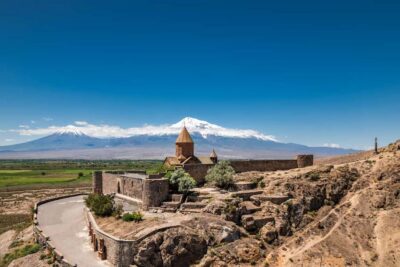
Khor Virap, Noravank and Birds’ Cave Trip with Wine Tasting
Read our review →
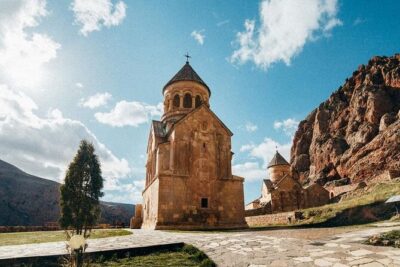
Khor Virap, Noravank & Birds’ Cave Day Trip with Wine Tasting
Read our review →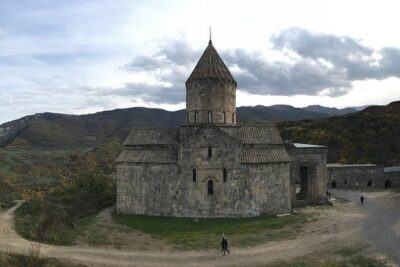
Tatev & Shaki Waterfall Guided Group Tour with Wine Tasting
Read our review →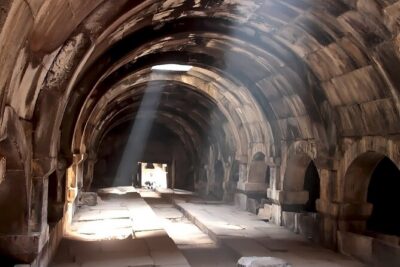
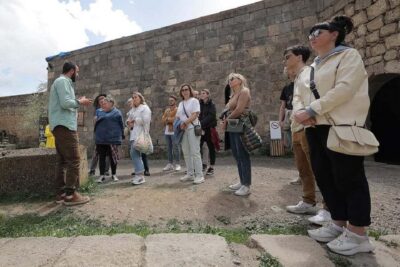
Tatev Day Trip with Shaki Waterfall & Wine Tasting
Read our review →
Hin Areni Winery, Tatev (wayback on Ropeway), Khndzoresk Caves
Read our review →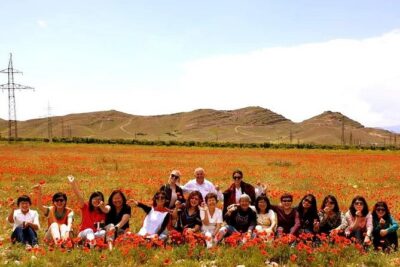
Shaki waterfall, Tatev monastery & ropeway, Hin Areni winery
Read our review →Browse the lists this tour appears in