
Reviewed · LAVASH BAKING AND ARMENIAN COOKING
Yerevan: Traditional Armenian Cuisine Private Cooking Class
Food opens doors in Armenia. This private Yerevan cooking class takes you into a traditional Armenian home, where you meet a family, prepare a local dish, and sit down to eat what you helped make. I especially like the small private setting and the chance to learn directly from a family rather than in a formal kitchen. I also like that the experience includes transportation, food, drinks, guiding, and cultural conversation in one package.
The main consideration is the entertainment portion. Music and dancing are included in the plan, but one visitor found that music was played only at the beginning and that there was no real dancing. If your main goal is a full folk performance, this may feel light. If you want an intimate food experience with music as a pleasant extra, it is a better fit.
In This Review
- Key Details Before You Book
- Arriving at an Armenian Family Home
- Learning to Make Dolma by Hand
- Lunch With the Food You Prepared
- Drinks, Music, and the Dancing Question
- What Makes the Private Format Worthwhile
- A Three-and-a-Half-Hour Schedule
- Language, Access, and Practical Comfort
- Who Will Enjoy This Armenian Cooking Class?
- How the Hosts Shape the Experience
- Should You Book It?
- FAQ
- Where does the cooking class take place?
- How long does the experience last?
- What food will I learn to prepare?
- Is lunch included?
- Are drinks included?
- What languages are available?
- Can I cancel the booking?
Key Details Before You Book
- Cook dolma in a family home: The hands-on lesson can include traditional dolma, with a vegetarian Western Armenian version available when requested.
- Meet Arto and his family: Arto has guided several of these visits, often translating while his mother teaches the cooking.
- Private experience for up to one group: You are not placed with a large class, so the pace can suit your group and your cooking ability.
- Three and a half hours of food and culture: The 210-minute visit includes pickup, cooking, lunch, drinks, music, and the return ride.
- A useful option for language flexibility: Instruction is offered in English, French, Arabic, Armenian, or Russian.
- Good value for a full half-day: The listed price is $104 per group up to one, including private transportation and the meal.
Arriving at an Armenian Family Home
The experience begins with pickup from a designated location in Yerevan. Private transportation matters here because you do not need to work out a taxi ride to an unfamiliar residential address, and the guide stays with you as the visit gets underway.
On arrival, you are introduced to the Armenian family and learn something about their way of life. This is the part that gives the class its character. You are not simply shown a recipe, then sent back into the city. The cooking is tied to the people preparing it, their home, and the customs around sharing food.
Armenian hospitality is a major part of the visit. The family welcome is not a minor prelude to the lesson. It helps you understand why a meal in Armenia often feels social and generous, with conversation and shared dishes carrying as much weight as the main recipe.
The setting may be described as a traditional home or guest house, depending on the arrangement. Either way, expect a personal visit rather than a polished cooking school designed for a large audience. That can mean a warmer, more relaxed atmosphere, though it also means the experience may feel less structured than a professional culinary workshop.
More lavash baking and cooking classes:
- Group Tour: Garni, Symphony of Stones, Geghard, Lavash Baking
★ 5.0 · 1,042 reviews - Yerevan: Garni, Geghard, Symphony of Stones & Lavash Baking
★ 4.8 · 758 reviews - Yerevan: Garni, Geghard, Symphony of Stones & Lavash Baking
★ 5.0 · 589 reviews
Learning to Make Dolma by Hand
The cooking lesson is the heart of the afternoon. You first watch a demonstration, then prepare a traditional Armenian dish with guidance from the family. Dolma is the dish most clearly described in the available details, and it makes a good teaching recipe because the preparation requires patience, handwork, and attention to technique.
Arto’s mother taught one visitor how to make vegetarian Western Armenian dolma after a vegetarian request. This is a useful detail if you do not eat meat. Ask for your preference when booking or before the class begins, since the specific dish and ingredients may depend on what has been arranged.
The lesson is suitable even if your kitchen skills are modest. One first-time cook struggled with dolma at the start but improved with patient instruction. That tells me the class is not aimed only at confident home cooks. You can expect hands-on help rather than a demonstration where you are left to watch from the side.
Arto may help translate throughout the lesson. That makes a practical difference when a recipe involves small details, such as how to fold, fill, or handle ingredients. Cooking terms can be hard to follow across languages, so having a guide explain the family’s methods keeps the lesson moving.
The class also gives you a useful look at the difference between following a printed recipe and learning from a person. Family cooking often depends on touch, timing, and visual judgment. You may not leave with exact measurements for every step, but you should come away with a better feel for how the dish is assembled and why it is prepared that way.
Lunch With the Food You Prepared
After the cooking, you sit down for lunch with the dish you helped prepare. Other traditional Armenian foods are also served, along with drinks. This meal is not just a reward at the end of the class. It lets you taste the result in the setting where the recipe belongs.
I like this structure because the food lesson has a clear payoff. You see the ingredients, work with them, and then eat the finished dish while the preparation is still fresh in your mind. It is more memorable than simply ordering dolma in a restaurant, since you understand at least some of the work behind it.
The meal also gives you time to talk. Several visitors praised the hosts as friendly, welcoming, and easy to spend time with. One particularly appealing part of the experience is the chance to share cultures with the family. You are not only asking about Armenian food. You can also talk about your own home, meals, and customs.
Do not expect a restaurant-style menu with many choices. The food is based on the traditional dish you prepare and the other Armenian items provided by the hosts. If you have allergies, dietary restrictions, or strong dislikes, raise them before arrival. The information specifically confirms a vegetarian dolma request, but it does not list every possible dietary adaptation.
Drinks, Music, and the Dancing Question
The visit continues with traditional Armenian drinks, music, and dancing. This adds a cultural note to the meal and gives you a chance to relax after the cooking. You are invited to join in and have fun, so the tone is meant to be social rather than formal.
Still, keep your expectations sensible. One person expected a longer music and dancing program but experienced music only at the beginning and no dancing. That does not cancel out the cooking class, but it does show that the entertainment may vary in length or energy.
I would book this for the food, family welcome, and conversation first. Treat music and dancing as an extra, not the main event. If you want a guaranteed folk show with a set program, you should choose a dedicated performance instead. If you are happy with a family gathering where music may be part of the atmosphere, this format can work well.
A few more options to weigh up in Yerevan
- Day trip to Sevan, Tsaghkadzor, Fish Making Masterclass
★ 5.0 · 8 reviews - Masterclass of Armenian food with a local family in Yerevan
★ 5.0 · 7 reviews - Khachkar Crafting Masterclass: Unveiling Armenia’s Heritage
★ 3.8 · 4 reviews - Goris: Beekeeping Traditions & Beeswax Balm Making Workshop
★ 5.0 · 2 reviews
What Makes the Private Format Worthwhile
The activity is private, with a group size listed as one group. The price is $104 per group up to one, which needs a little care when you assess value. The wording suggests the base price is for a single booking unit, but you should confirm the exact group pricing and party size at checkout.
For an individual or a small private party, the value comes from combining several services:
- Pickup and return transportation
- A guide
- Admission to the home experience
- A cooking masterclass
- Lunch and traditional food
- Drinks
- Cultural conversation and entertainment
A cheaper cooking class might offer only instruction and ingredients. Here, you are also paying for the family visit and the private ride. That makes the price more reasonable for someone who wants a convenient half-day experience without arranging each part separately.
The private format may also help if you have a dietary request, want more help during the recipe, or prefer not to cook in front of strangers. It is especially useful for a solo visitor, since a family setting can be more welcoming than joining a large group of couples and friends.
The tradeoff is that a private home visit can feel less polished than a commercial class. You may not get a printed lesson plan, a professional teaching kitchen, or a tightly timed performance. I see that as part of the exchange: less production, more personal contact.
A Three-and-a-Half-Hour Schedule
The total duration is 210 minutes, or three and a half hours. The schedule includes several parts, so the actual cooking time will be only one section of the visit.
A typical flow looks like this:
- Pickup from the designated location
- Ride to the traditional Armenian home
- Introduction to the family and their daily life
- Cooking demonstration
- Hands-on preparation of the traditional dish
- Lunch with the completed dish and other foods
- Traditional drinks
- Music and dancing
- Return transportation
This makes the class a good choice for a morning or afternoon when you want one substantial activity rather than several short stops. It is long enough to feel like a real visit, but not so long that you lose a full day of sightseeing in Yerevan.
Pay attention to the available start times when you book. The duration is fixed at 210 minutes, but the exact schedule depends on availability. Since transportation is included, you should be ready at the designated pickup location on time.
Language, Access, and Practical Comfort
Instruction is available in English, French, Arabic, Armenian, and Russian. Arto’s translation role is particularly useful during the cooking lesson, where clear explanations matter more than simple greetings.
The activity is listed as wheelchair accessible. That is important, but accessibility can still depend on the exact pickup point and the layout of the home. If you use a wheelchair, confirm the practical details before booking, especially if you need a specific vehicle arrangement or have mobility needs inside the house.
Free cancellation is available up to 24 hours in advance for a full refund. You can also reserve now and pay later, which is handy when you are building a Yerevan schedule before every detail is fixed. These policies reduce the risk of booking too early, though you should still check the terms shown for your selected date.
Who Will Enjoy This Armenian Cooking Class?
I would recommend this experience most strongly to people who want contact with local life rather than a standard sightseeing stop. It suits food lovers, curious first-time visitors to Armenia, solo visitors, couples, and families who enjoy sitting down with local hosts.
It is also a strong choice if you want:
- A vegetarian cooking option, especially Western Armenian dolma
- A private activity with direct help
- A meal that you helped prepare
- A guide who can translate during the lesson
- A cultural visit that combines food and conversation
- A convenient pickup and return arrangement
It may be less suitable if you want a serious chef-led course with several recipes, exact culinary instruction, or a guaranteed music and dance show. The information provided centers on one traditional dish, and the entertainment may be brief.
The class also asks you to be open to an unhurried social visit. If you rush through meals or want to move constantly, three and a half hours in one home may feel slow. I see the slower pace as the point, but it is not the right match for every itinerary.
How the Hosts Shape the Experience
Arto receives particular praise for being friendly, welcoming, and helpful with explanations. His mother is described as a patient teacher and a strong cook, especially during the dolma lesson. That family connection gives the class a clear human focus.
Arto’s partner has also helped lead the visit in their home. The exact host arrangement may vary, but the common thread is direct contact with people who are sharing their own food traditions with you.
That matters because Armenian cuisine is not only a collection of dishes. It is connected to family meals, hospitality, and the passing of techniques from one generation to the next. A family-led class lets you see that connection in a way a restaurant meal cannot.
The reported rating of 4.8 from 13 verified bookings reflects very strong satisfaction, but the individual experiences are not identical. Most praise centers on the hosts, the interactive format, the food, and the authentic welcome. The one lower rating focuses on the limited music and dancing, not on the cooking or hospitality. I would use that distinction when deciding.
Should You Book It?
Book this class if you want an authentic family welcome, a hands-on lesson, and a traditional Armenian lunch in one private outing. The combination of cooking, transportation, food, drinks, and conversation gives the $104 price real value, especially for someone who wants an easy cultural activity in Yerevan.
Before booking, make three checks. Confirm the final group price, request any dietary preference such as vegetarian dolma, and keep your expectations for dancing modest. If those points suit you, this is one of the better ways to turn a meal into a personal connection with Armenia.
FAQ
Where does the cooking class take place?
The experience takes place at a traditional Armenian family home in the Yerevan area. Pickup and return transportation from a designated location are included.
How long does the experience last?
The activity lasts 210 minutes, or three and a half hours.
What food will I learn to prepare?
You will prepare a traditional Armenian dish. Dolma is specifically described, including a vegetarian Western Armenian version available by request.
Is lunch included?
Yes. You eat the traditional dish you prepared, along with other traditional Armenian food.
Are drinks included?
Yes. Foods and drinks are included, and the experience includes traditional Armenian drinks.
What languages are available?
Guiding and instruction are available in English, French, Arabic, Armenian, and Russian.
Can I cancel the booking?
You can cancel up to 24 hours in advance for a full refund. Reserve now and pay later is also available.
Just added in Yerevan
- YerevanCard: 3-Day City Pass★ 5.0 · 1 review
- Yerevan: Walking Tour With an Architect
- Yerevan: Museum of Illusions Entry Ticket★ 5.0 · 3 reviews
- Yerevan: Urban Hike through Aygestan and Old Nork★ 5.0 · 1 review
- Yerevan: Brandy Tasting Experience with Local Delicacies★ 5.0 · 1 review
- Yerevan City Tour: Discover an Old and New Yerevan★ 5.0 · 2 reviews
- Wine, Jazz and Magic: A Night at Malkhaz Jazz Club★ 5.0 · 2 reviews
- The Stalin car Yerevan city tour Armenia★ 5.0 · 2 reviews
Lavash Baking and Armenian Cooking, compared.
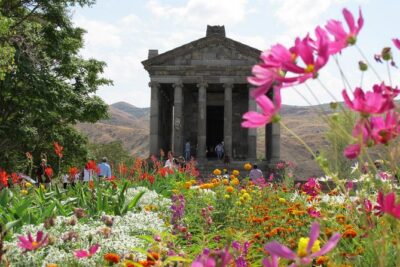
Garni, Symphony of Stones, Geghard, Lavash Baking
Read our review →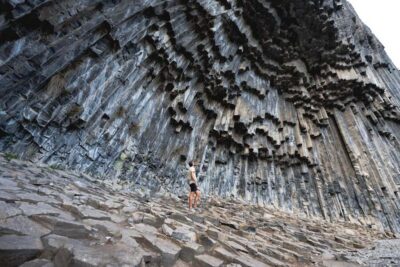
Garni, Geghard, Symphony of Stones & Lavash Baking
Read our review →Garni, Geghard, Symphony of Stones & Lavash Baking
Read our review →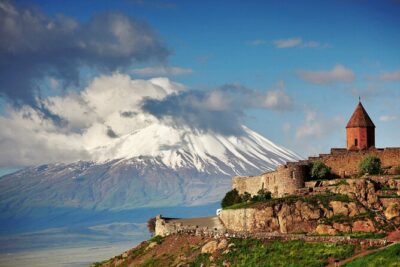
Khor Virap, Garni temple, Geghard, Lavash baking
Read our review →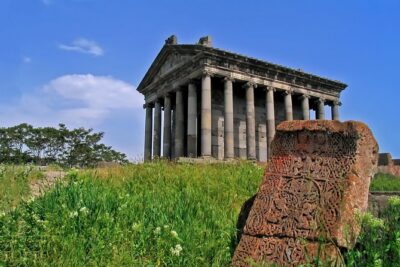
Garni, Geghard & Symphony Small-Group Day Trip with Lavash Baking
Read our review →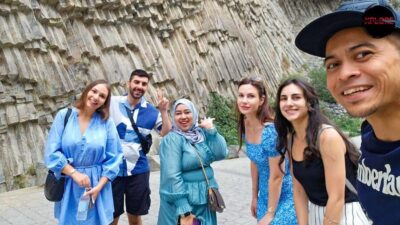
Garni-Geghard, Charent’s Arch, SymphonyStones &Lavash Baking
Read our review →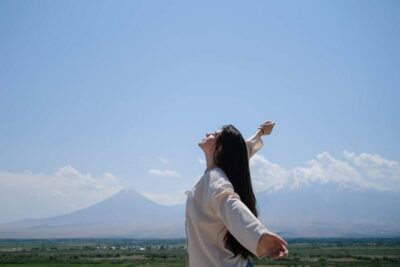
Khor Virap, Garni & Geghard Guided Tour with Lavash Baking
Read our review →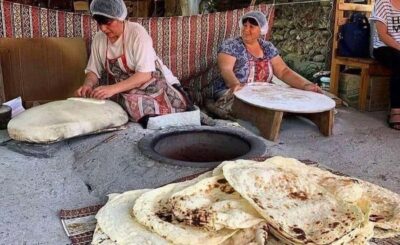
From Yerevan to Symphony, Geghard, Lavash baking in Garni
Read our review →Browse the lists this tour appears in