
Reviewed · HISTORY TOURS IN YEREVAN
Khachkar Crafting Masterclass: Unveiling Armenia’s Heritage
Stone tells Armenia’s story. This two-hour private masterclass gives you hands-on time with khachkar carving, not just a quick look at finished pieces. I like the chance to work on a real khachkar under an expert’s guidance, and I like the warm family welcome, complete with homemade treats at the end. One practical drawback: the studio is somewhat outside Yerevan, so you need to allow extra time to reach it.
The session takes place in a studio founded in 1988, where artists continue techniques passed down through generations. You can ask questions in Armenian, English, Arabic, or Russian, though one visit found that language differences made communication harder. The setting is welcoming and personal, but this is a working family studio rather than a polished museum attraction.
In This Review
- Key Points To Know Before You Book
- Why Khachkar Carving Is Worth Your Time
- Inside the Studio Founded In 1988
- The Two-Hour Crafting Session
- What The Spiritual Element Adds
- A Private Activity For Up To Three People
- Reaching A Studio Somewhat Outside Yerevan
- Who Will Enjoy This Most
- Booking Flexibility And Timing
- My Take On The Value
- Should You Book The Khachkar Masterclass?
- FAQ
- How long does the khachkar masterclass last?
- How much does the experience cost?
- Is the activity private?
- Which languages are available?
- Is the studio in central Yerevan?
- Can I cancel for a full refund?
Key Points To Know Before You Book
- You carve a real khachkar: This is an active workshop, not only a demonstration. You get to make your own marks under close guidance.
- The studio dates to 1988: Its long-running family setting gives the lesson a sense of continuity.
- The spiritual side matters: Khachkar making is presented as a quiet dialogue with God, shaped by patience, skill, and devotion.
- The group stays private: The $114 price covers up to three people, making it most attractive for a small family or group of friends.
- The location needs planning: The studio is described as somewhat outside Yerevan, so check the meeting point and travel time before booking.
- The welcome is part of the experience: Family hospitality and sweet treats add a warm personal touch after the workshop.
Why Khachkar Carving Is Worth Your Time
Many cultural activities let you look. This one asks you to work.
That difference matters. A khachkar is not something you finish with a few casual taps of a hammer. The craft calls for care, control, and attention to pattern. Even in a short class, you begin to understand why Armenian stone carving is treated as a national treasure rather than a simple souvenir trade.
I like that the lesson connects technique with meaning. You are not only shown how an artist handles stone. You also hear about the cultural legacy behind the work and the spiritual feeling that guides the craft. Each strike is linked with resilience, love of Armenian culture, and a silent conversation with God.
You should not expect to become a master in two hours. The value is in gaining a small, physical sense of the work. Stone resists hurried hands. That makes the activity a useful change from sightseeing, especially if you have spent the day moving from church to museum without touching anything yourself.
More History Tours in Yerevan
Inside the Studio Founded In 1988
The class takes place in a family studio with roots going back to 1988. That detail gives the visit more weight. You are entering a place where the craft has been practiced and passed along over time, rather than a temporary workshop created only for tour groups.
The studio is described as a pleasant setting with active artists at work. You can watch the carving process, speak with the people who practice it, and ask questions as the session unfolds. The artists are praised for being friendly and good at explaining the work, which is important here. Stone carving can look mysterious when you only see the finished surface.
I would expect the atmosphere to feel informal and personal. The family welcome is one of the strongest parts of the experience. At the end, you may be offered homemade treats, a small touch that turns the class into a visit with local hosts rather than a simple paid lesson.
There is a tradeoff. A family studio may not offer the precise presentation or polished English of a major cultural center. One French-speaking participant found the teachers very effective and welcoming, while a German-speaking participant noted some language difficulty. The instructors speak Armenian, English, Arabic, and Russian, so choose the language that best fits your group when booking.
The Two-Hour Crafting Session
The class is built around direct participation. First, you get an introduction to khachkar and the tradition of Armenian carving. The artists explain the basic ideas behind the work and show you how the tools and stone are handled.
Next comes the part most people will remember: you work on a khachkar yourself. The activity description says you may create your own piece under expert guidance, while one participant specifically had the chance to work on a real khachkar. That is a meaningful distinction. You are not simply decorating a ready-made trinket. You get a brief look at the discipline required for a serious carved work.
Expect the instructor to guide your movements and help you understand the age-old methods used in the studio. The supplied details do not specify the exact tools, design, stone size, or whether you take a finished piece home, so I would not book this expecting a particular souvenir. Ask those questions before arrival if the final object matters to you.
The two-hour length feels well suited to an introduction. It gives enough time for explanation, observation, and practical work without turning the activity into a full-day commitment. Still, time will pass quickly if your group asks many questions or needs extra help with the carving. This is a focused lesson, not an extended apprenticeship.
What The Spiritual Element Adds
The best part of this activity may be the way it frames craft as an act of patience.
The description connects each hammer strike with resilience, cultural love, and a silent dialogue with God. That language tells you how the artists see their work. It is not only a technical trade. The process carries personal and national meaning.
You do not need to share the same religious outlook to appreciate that perspective. You can treat it as a lesson in how an object gains meaning through the care put into making it. When you hold a tool and try to control a mark in stone, the idea becomes less abstract.
I also like that the class presents cultural continuity in a practical way. You learn about techniques passed down through generations by standing in the place where artists still use them. The past is not sealed behind glass. It is present in the studio, in the explanations, and in the work taking shape beneath your hands.
A few more options to weigh up in Yerevan
- Yerevan: Traditional Armenian Cuisine Private Cooking Class
★ 4.8 · 13 reviews - Day trip to Sevan, Tsaghkadzor, Fish Making Masterclass
★ 5.0 · 8 reviews - Masterclass of Armenian food with a local family in Yerevan
★ 5.0 · 7 reviews - Goris: Beekeeping Traditions & Beeswax Balm Making Workshop
★ 5.0 · 2 reviews
A Private Activity For Up To Three People
The price is $114 per private group of up to three people. For a full group, that works out to $38 per person, which is reasonable for two hours of personal instruction and hands-on access to a specialist craft.
The value is strongest when you care about personal attention. A private group should make it easier to ask questions, work at your own pace, and avoid the distance that can come with a large class. It is a good fit for a couple, a family, or three friends who want one shared activity.
For one person, the price feels less attractive because the charge is per group rather than per seat. The experience still offers unusual access to Armenian craft, but solo visitors should weigh the cost against the short duration and the fact that only the masterclass is included.
That last point matters. The provided details include the class, but do not list transport, food, or a finished khachkar as separate inclusions. The family may offer treats at the end, but I would regard that as hospitality rather than a guaranteed meal. Plan your budget around the workshop itself.
Reaching A Studio Somewhat Outside Yerevan
Although the activity is connected with Yerevan, the studio is described as somewhat outside the city. This is the main logistical issue to consider.
I would not schedule the class too tightly between other appointments in central Yerevan. Confirm the exact location and allow extra travel time. The available details do not state how you reach the studio, how long the transfer takes, or whether transport is included, so those points should be checked before booking.
The distance may actually help the experience. A working studio away from the city center can feel more connected to daily craft life than an attraction designed for a quick stop. But convenience matters, especially if you are visiting Armenia on a short schedule.
Wheelchair accessibility is listed, which is useful information for visitors who need an accessible activity. You should still confirm the route and any specific access needs with the provider, since the listing does not give further details about entrances, work surfaces, or facilities.
Who Will Enjoy This Most
I would recommend the masterclass to you if you like making things with your hands, asking questions, and learning through practice. It also suits anyone who wants a cultural activity with a quiet, reflective side.
Families can make good use of the private format, provided everyone is comfortable with a stone-carving activity and the group stays within three people. Couples and close friends should also find the shared project rewarding. You can compare your marks, encourage one another, and leave with a common memory that does not look like every other sightseeing stop.
The class may be less suitable if you want a fast, central Yerevan activity or a guaranteed finished souvenir. It is also not the best choice if you dislike slow, careful work. The craft rewards patience more than speed.
Language should be part of your decision. Instruction is offered in Armenian, English, Arabic, and Russian. That gives many visitors a workable option, but communication may still feel limited if your preferred language is not one of those four.
Booking Flexibility And Timing
The session lasts two hours, with start times based on availability. You can reserve now and pay later, which helps if your Armenia plans are still shifting.
Free cancellation is available up to 24 hours in advance for a full refund. That is helpful when your schedule includes day trips, changing transport plans, or uncertain arrival times. I would still check the exact cancellation deadline when you book and avoid assuming that a missed start time receives the same treatment.
Since the activity is private, your booking covers a group of up to three rather than a large shared departure. That makes the price easier to justify for three people and gives you a more direct relationship with the instructor.
My Take On The Value
The strongest part of this experience is access. You are brought into a working artistic space, introduced to an important Armenian tradition, and given the chance to make marks on stone yourself.
The warm family welcome adds something money cannot easily measure. The homemade treats, friendly explanations, and personal setting help the class feel rooted in local life. The activity does not pretend that two hours will make you a master. Instead, it gives you a short but real encounter with the patience and care behind khachkar carving.
The weaknesses are clear. The studio is not right in central Yerevan, communication may be harder for some language groups, and the price is less appealing for one person. The details about transport, tools, and what happens to your finished work also need clarification.
Should You Book The Khachkar Masterclass?
Book it if you want a small-group cultural activity that lets you work with your hands and meet artists in a family-run studio. It is especially good for couples, families, and small groups who value personal instruction over a quick photo stop.
Think twice if your schedule is packed, you need a central location, or you expect a polished souvenir to be included. For up to three people, $114 is a fair price for private instruction and a rare chance to take part in khachkar making. Just confirm the meeting point, language, transport arrangements, and final take-home details before you pay.
FAQ
How long does the khachkar masterclass last?
The masterclass lasts two hours.
How much does the experience cost?
The price is $114 per private group of up to three people.
Is the activity private?
Yes. The booking is for a private group.
Which languages are available?
Instruction is available in Armenian, English, Arabic, and Russian.
Is the studio in central Yerevan?
The studio is connected with Yerevan but is described as somewhat outside the city. Check the exact location and allow extra travel time.
Can I cancel for a full refund?
Yes. You can cancel up to 24 hours in advance for a full refund. You can also reserve now and pay later.
Just added in Yerevan
- YerevanCard: 3-Day City Pass★ 5.0 · 1 review
- Yerevan: Walking Tour With an Architect
- Yerevan: Museum of Illusions Entry Ticket★ 5.0 · 3 reviews
- Yerevan: Urban Hike through Aygestan and Old Nork★ 5.0 · 1 review
- Yerevan: Brandy Tasting Experience with Local Delicacies★ 5.0 · 1 review
- Yerevan City Tour: Discover an Old and New Yerevan★ 5.0 · 2 reviews
- Wine, Jazz and Magic: A Night at Malkhaz Jazz Club★ 5.0 · 2 reviews
- The Stalin car Yerevan city tour Armenia★ 5.0 · 2 reviews
History Tours in Yerevan, compared.
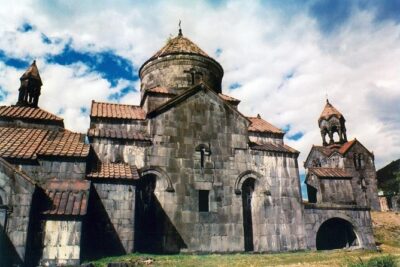
Private tour to UNESCO heritage Haghpat and Sanahin monasteries and Odzun church
Read our review →Explor Kond: A Historic Stroll Through Yerevan’s old Quarter
Read our review →
Private tour to UNESCO heritage Echmiadzin churches, Zvartnots and Sardarapat
Read our review →
3 Day UNESCO Heritage Private Tour in Armenia from Yerevan
Read our review →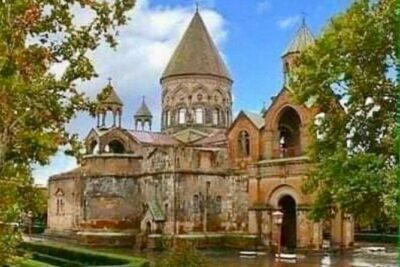
Private Day Trip from Yerevan to UNESCO World Heritage Sites
Read our review →
Browse the lists this tour appears in