
Reviewed · GYUMRI TOURS
3 Day Private Tour with an Exclusive Visit to Gyumri
Armenia packs a lot into three days. This private tour links the country’s best-known sights with a special day in Gyumri, from Mount Ararat views and Areni wine to ancient monasteries, Lake Sevan, and the Black Fortress. I especially like the mix of old religious sites and living city culture, plus the freedom of a private vehicle with hotel pickup.
The $247 per person price is appealing if you value door-to-door transport, a professional English-speaking driver, air conditioning, Wi-Fi, and wine tasting. I also like that you can add a guide in your preferred language. The main consideration is the pace: each day covers several important places, so you will spend plenty of time on the road and may want to keep lunch stops practical rather than leisurely.
In This Review
- Key points worth knowing before you book
- Day one: Khor Virap and the view of Mount Ararat
- Areni wine tasting and the oldest leather shoe
- Noravank in a red-rock canyon
- Day two: Garni and Armenia’s pagan past
- The Symphony of Stones and Geghard
- Lake Sevan and Sevanavank
- Day three: Why Gyumri changes the tone of the trip
- Vardanants Square and the Black Fortress
- What the $247 price includes
- Transport, guide quality, and the private format
- Who should book this Armenia tour?
- Should you book the 3 Day Private Tour?
- FAQ
- How long is the tour?
- Is this a private tour?
- Is hotel pickup included?
- What type of vehicle is used?
- Is a guide included?
- Is wine tasting included?
- Are entrance tickets included?
- Are meals included?
- Is the tour suitable for wheelchair users?
- Can I cancel the tour for a refund?
Key points worth knowing before you book
- Mount Ararat views: Khor Virap gives you one of Armenia’s most memorable views toward the biblical mountain, weather permitting.
- A 5,500-year-old shoe: Areni-1, also called Birds’ Cave, is linked to the discovery of the world’s oldest known leather shoe.
- Wine with real local roots: The Areni stop connects a tasting with Armenia’s long winemaking tradition.
- A strong second day: Garni, the Symphony of Stones, Geghard, and Lake Sevan offer four very different sights.
- Gyumri adds character: Kumayri’s old streets, central Vardanants Square, and the Black Fortress give the tour a more human, urban finish.
- Private comfort: Hotel pickup, a vehicle sized for your group, Wi-Fi, air conditioning, water, and 24/7 assistance make the long days easier.
Day one: Khor Virap and the view of Mount Ararat
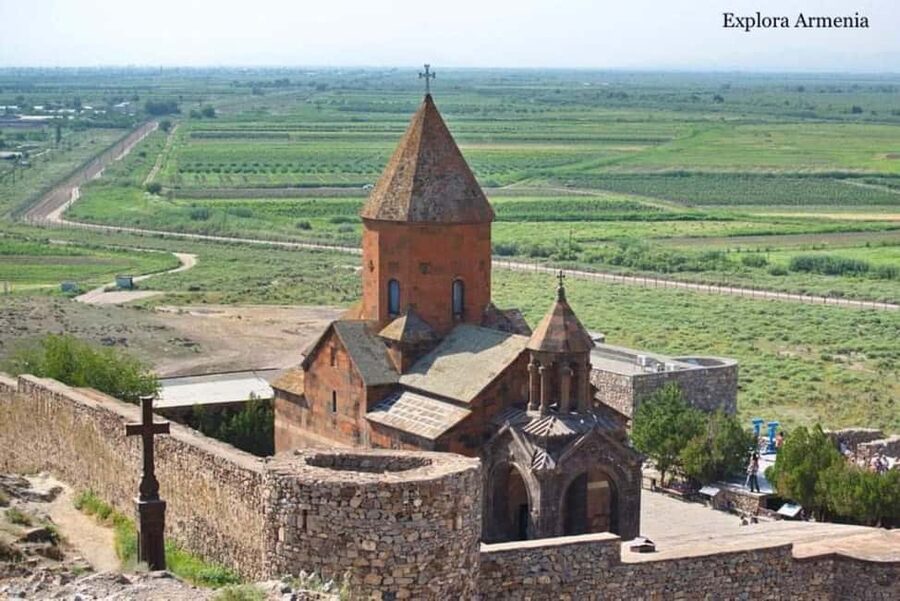
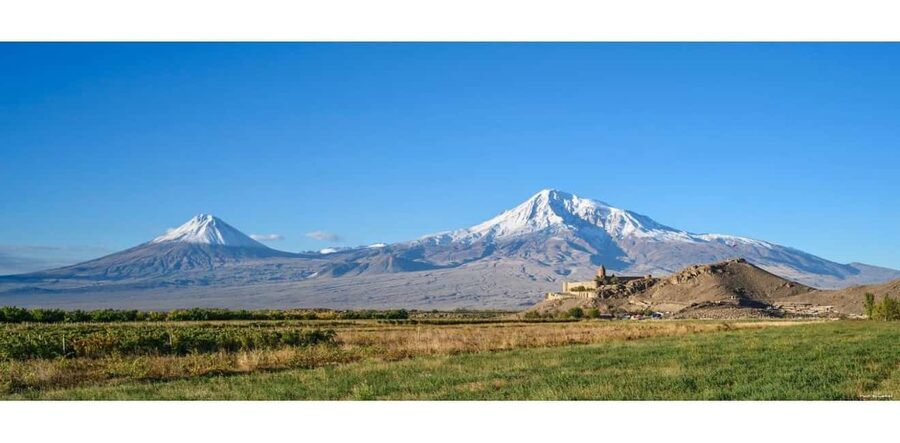
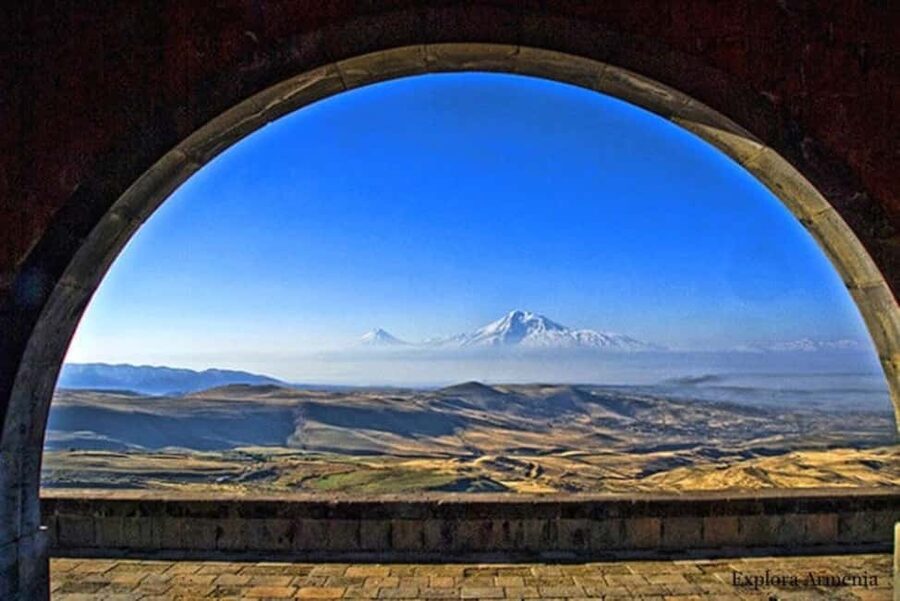
The first day heads south from Yerevan toward Khor Virap, one of Armenia’s most important religious sites. Its location at the foot of Mount Ararat is the great draw. The mountain is tied to Armenian identity and biblical tradition, and the monastery gives you a powerful setting for that connection.
The view depends on weather, so I would keep expectations sensible. On a clear day, Mount Ararat provides the tour’s strongest photo opportunity. On a hazy day, Khor Virap still matters for its religious history and setting, but the famous mountain view may be less dramatic.
Khor Virap is also important because its story is closely linked with Armenia’s conversion to Christianity. You are not simply stopping at an old building. You are visiting a place that helps explain why monasteries and churches play such a large role in Armenian culture.
Wear shoes with a good grip. Comfortable footwear is recommended for the entire tour, and it is especially useful when moving around historic religious sites and uneven outdoor areas.
More things to do in Gyumri:
- Group Tour: Gyumri (Urban Life museum, Black fortress, old town), Harichavank
★ 5.0 · 280 reviews - Museum of Illusions Tour
★ 5.0 · 84 reviews - Private tour to Gyumri old town and Marmashen monastery
★ 5.0 · 26 reviews
Areni wine tasting and the oldest leather shoe
The route continues into Armenia’s wine country for a tasting at Areni Winery. This is a welcome change of rhythm after the monastery visit. You can sample local wine and get a direct sense of why Areni is one of the country’s main stops for people interested in wine.
The value here is not just the tasting itself. Armenia has an ancient winemaking tradition, and the Areni area gives that tradition a clear place on the map. If you enjoy food and drink with a sense of place, this stop adds something that a standard monument-only tour would miss.
The tasting is included, but lunch and other drinks are not. Plan for those costs separately. The tour does not specify a meal, so ask your guide how the day will handle lunch and bring some flexibility to the schedule.
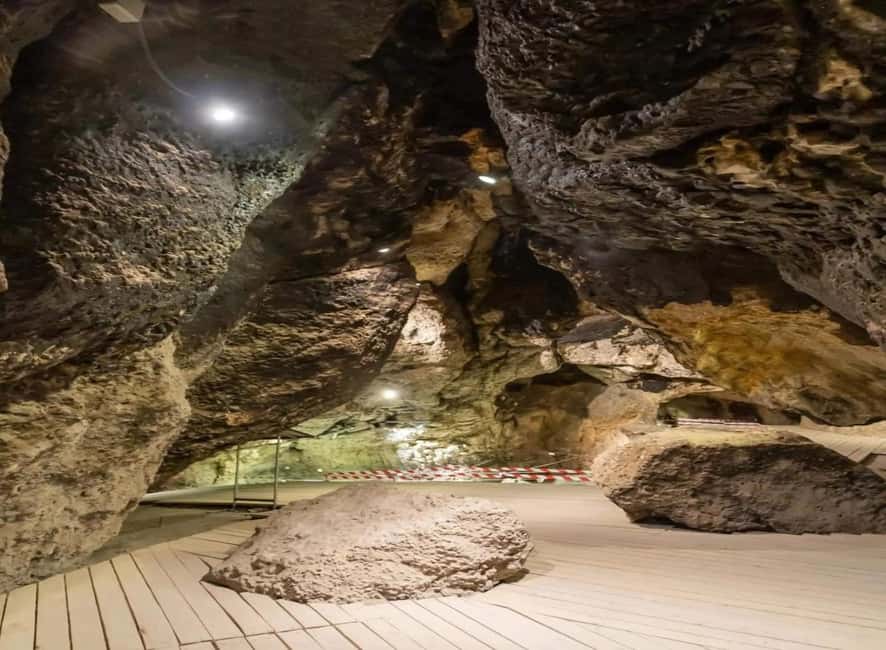
Next comes Areni-1, also known as Birds’ Cave. This rocky cave has niches and passageways and was used by different ancient communities over many periods. Its most famous discovery is a leather shoe thought to be about 5,500 years old.
That detail gives the cave real impact. You are looking at a site connected to ordinary human life, not just rulers, priests, or military leaders. A shoe sounds simple, but it brings the distant past down to earth. Someone made it, wore it, and left it behind.
The entrance fee for Birds’ Cave is 1,000 AMD. The cave visit may be less comfortable for anyone who struggles with uneven ground, and the tour is not suitable for wheelchair users.
Noravank in a red-rock canyon
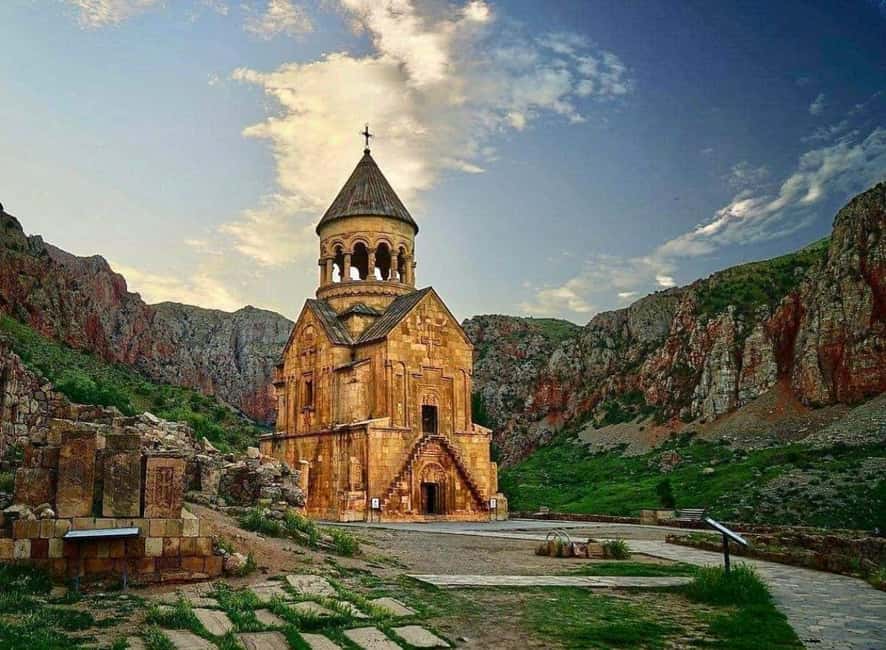
The final stop on day one is Noravank, a medieval monastery set in a dramatic canyon. The setting does much of the work here. The monastery’s stone buildings appear against steep rock walls, giving the visit a strong sense of place.
Noravank is often considered one of Armenia’s most attractive monuments, and it is easy to see why. The stop combines architecture with scenery rather than treating the monastery as an isolated building. You can take in carved stonework, the canyon, and the quiet feel of a remote religious site in one visit.
The first day has a clear theme: faith, wine, archaeology, and medieval architecture. It is also a full day. Khor Virap, Areni, Birds’ Cave, and Noravank are not quick roadside photo stops if you want to look properly. A private vehicle helps because you are not tied to a large group’s timetable, but the route still asks for energy.
Day two: Garni and Armenia’s pagan past
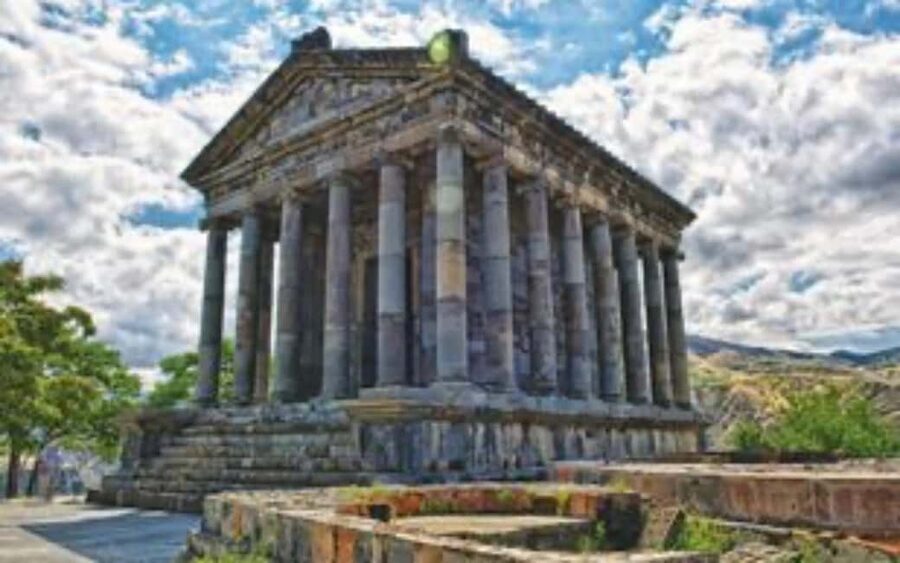
Day two begins with Garni Temple, the only preserved pagan temple in the Caucasus. Its construction dates to the second half of the first century and it was dedicated to the Sun God.
Garni gives you a different view of Armenia. After day one’s Christian sites, this ancient temple points to the religious world that came before Christianity. That contrast is one of the tour’s strengths. You are not seeing a string of similar monasteries. You are moving through several layers of Armenian culture.
The entrance fee is 1,500 AMD. The tour description does not include lunch, so again, you should budget for food and drinks beyond the listed price.
A few more options to weigh up in Armenia
- Private 7-8-hour Khor Virap, Garni temple & Geghard monastery trip from Yerevan
★ 5.0 · 272 reviews - Private Half-Day Garni Temple and Geghard Monastery Tour from Yerevan
★ 5.0 · 245 reviews - Private 7-8 hour Trip to Garni – Geghard – Lake Sevan – Sevanavank from Yerevan
★ 5.0 · 185 reviews - Private Lake Sevan, Sevanavank, Dilijan, Haghartsin, Goshavank Tour from Yerevan
★ 5.0 · 162 reviews
The Symphony of Stones and Geghard
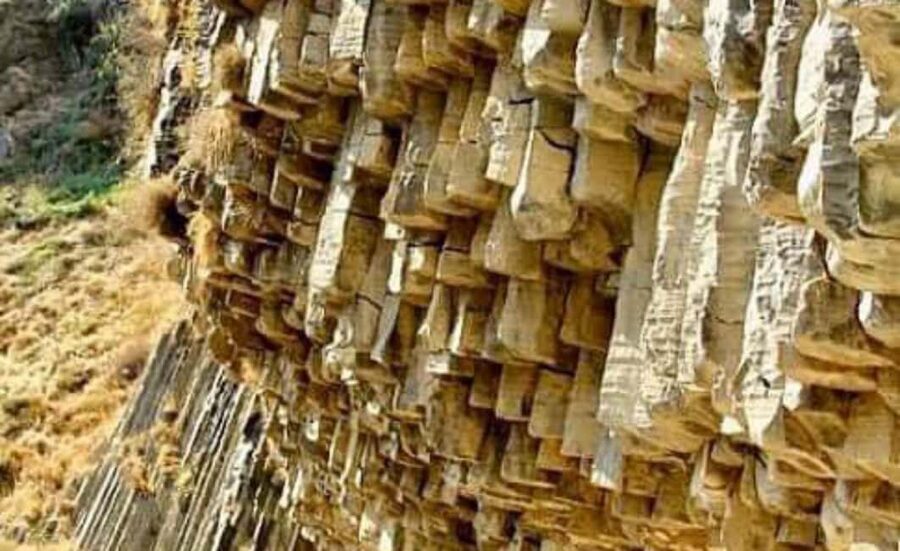
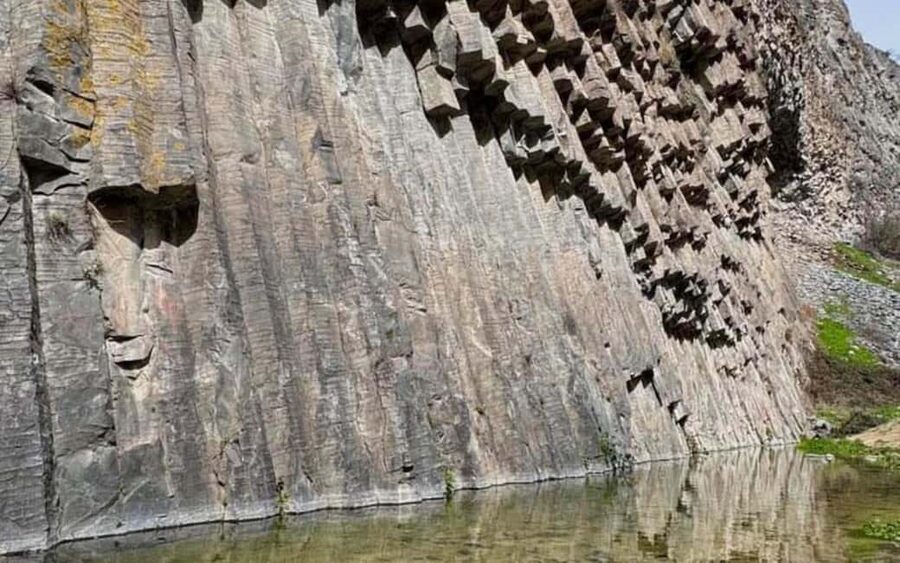
Near Garni, the Symphony of Stones is one of Armenia’s essential natural sights. The name refers to the tall, repeated rock formations that create a striking visual pattern. It is a short but worthwhile addition because it breaks up the architectural visits with something shaped by nature.
The entrance fee is only 300 AMD. Comfortable shoes matter here, as they do throughout the tour. The tour does not provide a detailed accessibility description for this stop, and the full experience is not suitable for wheelchair users.
Geghard follows, bringing you back to medieval Armenia. This monastery is a UNESCO World Heritage Site and is known for its severe stone construction and canyon setting. According to tradition, Saint Gregory founded the monastery in the fourth century beside a sacred spring.
Geghard feels different from Noravank. Noravank is known for its canyon views and decorative medieval architecture, while Geghard is closely tied to rock, austerity, and the surrounding cliffs. The two sites work well together because they show different sides of Armenian religious architecture.
I would pay attention to the relationship between the buildings and the natural setting. The canyon is not just a backdrop. It helps explain the monastery’s character and sense of retreat.
Lake Sevan and Sevanavank
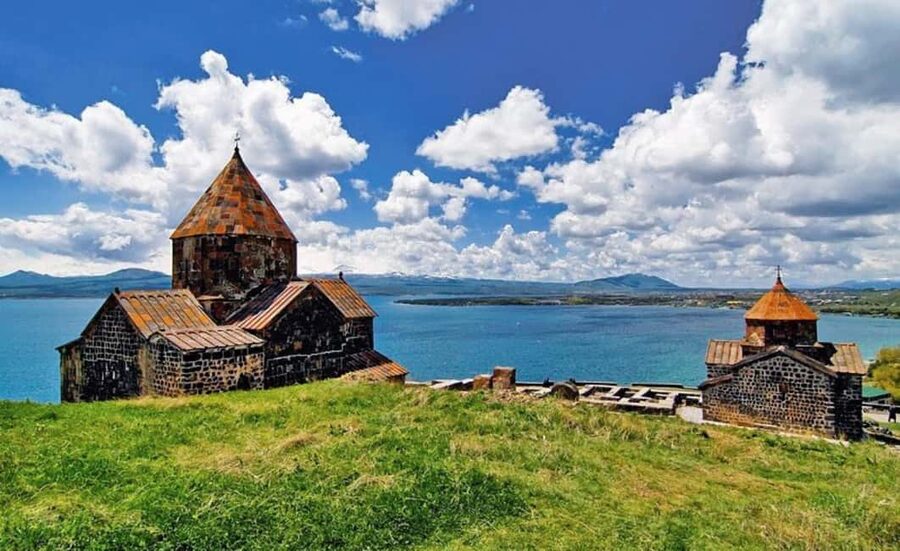
The second day ends with a stop at Sevanavank on the peninsula of Lake Sevan. The monastery offers a chance to look across the water and take a break from enclosed religious sites.
Lake Sevan is often called the pearl of Armenia, and the broad view from Sevanavank is a welcome change after the narrow canyon at Geghard. This is a good place to slow down, take photographs, and let the day’s earlier sights settle.
The contrast makes day two especially effective. Garni represents pagan Armenia, the Symphony of Stones brings in striking rock formations, Geghard shows medieval Christian architecture, and Sevanavank opens onto a large mountain lake. You get variety without having to arrange separate transport between each stop.
Still, this is another packed day. If you prefer long museum visits or extended time at each site, the schedule may feel brisk. If you want a strong first look at Armenia, the variety is a major advantage.
Day three: Why Gyumri changes the tone of the trip
The exclusive Gyumri day is the part that gives this tour a different identity. Many short Armenia trips focus on monasteries and natural sights around Yerevan. Gyumri adds architecture, local history, humor, and the feel of a working city.
The first stop is the Gyumri Museum of National Architecture and Urban Life, also called the Dzitoghtsyan House-Museum. Here you can see objects and rooms connected with daily life, local culture, and the city’s past.
This is a useful visit because it gives context before you walk through the city. Monuments can tell you what a place looked like, but a house museum helps explain how people lived. The entrance fee is 1,500 AMD.
Next comes Kumayri, the historic district and the oldest part of Gyumri. It is known for authentic historic Armenian urban architecture, traditions, and local culture. This is the sort of area where you should look beyond the main attraction and notice the shape of the streets, old facades, and the way the city’s past remains part of its present.
Gyumri is known as the city of humor, a detail that hints at its distinct personality. The tour does not promise a staged performance or a special comedy activity, so think of this as a chance to experience the city’s character rather than a formal entertainment stop.
Vardanants Square and the Black Fortress
Vardanants Square is Gyumri’s central square and a natural place to walk through the city. It is surrounded by notable buildings, including the Holy Savior’s Church and the Seven Wounds of the Holy Mother of God, both built in the 19th century.
The square helps you understand Gyumri as a city rather than a collection of attractions. You can connect the churches, public space, and older urban fabric in one walk. This makes the third day less about ticking off sights and more about seeing how architecture shapes daily life.
The final major visit is the Black Fortress, built in 1834. It is one of Gyumri’s best-known monuments and forms part of a complex of military and architectural buildings. The fortress adds a military chapter to a day otherwise focused on homes, churches, squares, and city culture.
This is a fitting final stop because it gives Gyumri a strong visual finish. You have already seen the domestic side of the city at the house museum and the older streets of Kumayri. The fortress shows its strategic and defensive side.
What the $247 price includes
At $247 per person, the value depends mainly on your group size and how much you would otherwise spend on private transport. This is not a budget bus outing, but it includes hotel pickup and drop-off, a private group, comfortable transportation, air conditioning, Wi-Fi, an English-speaking professional driver, wine tasting, a map of Armenia and Yerevan, bottled water, and 24/7 assistance.
The vehicle changes according to group size. You may travel by car, minivan, or minibus. That matters on three long sightseeing days because you are not expected to arrange separate taxis between distant sites.
A guide is available if you choose the option with a guide. You must specify the language in your message. If you choose the driver-only arrangement, be clear about what level of guiding you want at each stop.
Extra costs are modest but should not be forgotten:
- Garni: 1,500 AMD
- Birds’ Cave: 1,000 AMD
- Symphony of Stones: 300 AMD
- Dzitoghtsyan House-Museum: 1,500 AMD
- Lunch and drinks
The listed price does not include these entrance fees or meals. Carry some Armenian dram for tickets and small purchases.
Transport, guide quality, and the private format
The private setup is the main practical benefit. You travel with your family or friends rather than joining a large group, and hotel pickup means you do not need to find a meeting point in Yerevan.
A professional English-speaking driver is included. One verified booking gave driver Georgi specific praise for being very nice. That is a small but useful sign of the kind of personal service that can make long drives more pleasant, though your assigned driver may be different.
Air conditioning and Wi-Fi are valuable here. The route covers monasteries, caves, wine country, a lake, and Gyumri, so you will spend substantial time in the vehicle. One bottle of water per person is included, but I would still bring extra water, especially in warm weather.
The tour is not suitable for wheelchair users. Pets are not allowed. Bring comfortable shoes and clothing suited to the weather. The schedule is available in three days, but starting times depend on availability, so check before booking.
Free cancellation is available up to 24 hours in advance, and you can reserve now and pay later. Those terms are useful if your Armenia plans are still taking shape.
Who should book this Armenia tour?
I would recommend it to first-time visitors who want a broad introduction without arranging several separate day trips. It works particularly well for couples, families, and small groups who value privacy and a vehicle waiting at the hotel.
It is also a good fit if you want more than churches. The wine tasting, Birds’ Cave, pagan Garni Temple, Lake Sevan, and Gyumri create a fuller picture of Armenia than a monastery-only route.
You may want another plan if you dislike long sightseeing days, need wheelchair access, or prefer to spend half a day in one place. The itinerary is ambitious, and the number of stops means you should expect a steady pace.
Should you book the 3 Day Private Tour?
Book it if you want variety, private transport, and an efficient introduction to Armenia. The strongest reasons are the Mount Ararat viewpoint at Khor Virap, the ancient shoe site at Birds’ Cave, the included Areni tasting, and the Gyumri day, which adds city life to the usual religious and natural sights.
Before paying, confirm the vehicle size for your group, decide if you want a guide, and specify the guide’s language. Also budget for entrance tickets, lunch, and drinks. If you accept the full schedule and come prepared with good shoes, this is a well-rounded three-day choice at a reasonable price for private touring.
FAQ
How long is the tour?
The tour lasts three days.
Is this a private tour?
Yes. It is organized for you, your family, and friends as a private group.
Is hotel pickup included?
Yes. Hotel pickup and drop-off are included, and your guide will wait in your hotel lobby.
What type of vehicle is used?
The vehicle depends on the number of participants. Transportation may be by car, minivan, or minibus.
Is a guide included?
A professional guide is included if you choose the option with a guide. You should specify the language in your message.
Is wine tasting included?
Yes. Wine degustation at Areni is included.
Are entrance tickets included?
No. Entrance fees are separate. The listed prices are 1,500 AMD for Garni, 1,000 AMD for Birds’ Cave, 300 AMD for the Symphony of Stones, and 1,500 AMD for the Museum of National Architecture and Urban Life.
Are meals included?
No. Lunch and drinks are not included.
Is the tour suitable for wheelchair users?
No. The tour is not suitable for wheelchair users.
Can I cancel the tour for a refund?
Yes. You can cancel up to 24 hours in advance for a full refund. You can also reserve now and pay later.
Just added in Armenia
- Armenia: Wine Tasting and Vineyard Lunch at Voskeni Winery★ 5.0 · 1 review
- YerevanCard: 3-Day City Pass★ 5.0 · 1 review
- Yerevan: Walking Tour With an Architect
- Yerevan: Museum of Illusions Entry Ticket★ 5.0 · 3 reviews
- Yerevan to Tbilisi Day Tour: Unveiling Transcultural Wonders★ 4.8 · 2 reviews
- Yerevan: Urban Hike through Aygestan and Old Nork★ 5.0 · 1 review
- Yerevan: Brandy Tasting Experience with Local Delicacies★ 5.0 · 1 review
- Yerevan City Tour: Discover an Old and New Yerevan★ 5.0 · 2 reviews
Gyumri Tours, compared.
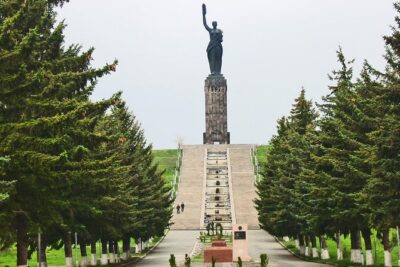
Gyumri (Urban Life museum, Black fortress, old town), Harichavank
Read our review →
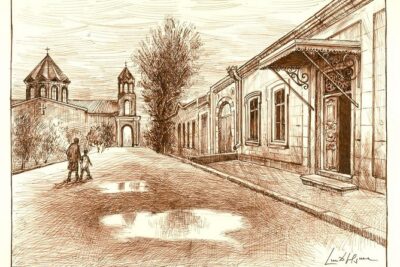
Private tour to Gyumri old town and Marmashen monastery
Read our review →
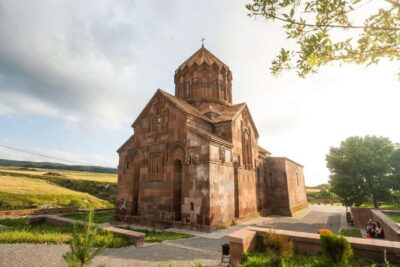
Group Tour to Gyumri: City tour, Monasteries and Culture
Read our review →
Gyumri: Private Guided Walking Tour By A Local Guide
Read our review →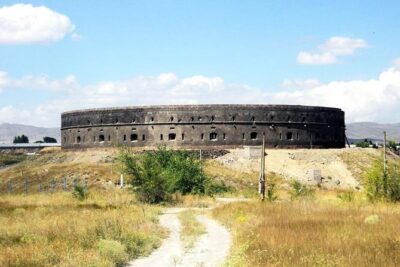
Private tour to Gyumri, Dzitoghtsyan Museum, Black Fortress
Read our review →Browse the lists this tour appears in