Reviewed · GUIDED
4 Day Private Guided Driving Tour in Armenia
Armenia rewards the curious. This four-day private tour combines Yerevan’s old courtyards and Soviet-era architecture with monasteries, a pagan temple, wine country, mountain roads, and forested Lake Sevan country. I especially like the mix of famous sights and lesser-seen details, including old wineries, historic dental clinics, khachkars, and tucked-away urban courtyards.
I also like the flexibility of a private guide and vehicle. Tigran, the guide, has adjusted the trip to suit individual interests, pointed out less obvious places, and helped shape meals around Armenian food. The main consideration is pace: four days cover a lot of ground, and several days involve long drives and repeated monastery visits.
In This Review
- Key Points at a Glance
- What This Four-Day Armenia Tour Does Well
- Day One: Yerevan’s Backyards, Cafesjian Cascade, and Old Streets
- Day Two: Etchmiadzin, Geghard, and Garni
- Day Three: Khor Virap, Areni Wine, and Noravank
- Day Four: Lake Sevan and the Forests of Dilijan
- Transport, Group Size, and Daily Comfort
- Who Will Get the Most From This Tour?
- Should You Book the Four-Day Armenia Tour?
- FAQ
- What is included in the tour price?
- Are meals and drinks included?
- How many people can join the private tour?
- Is pickup offered?
- Can I cancel for a full refund?
- What happens if bad weather cancels the tour?
Key Points at a Glance
- Yerevan beyond the main squares: Explore 19th-century backyards, Abovyan Street, old merchant houses, Dalan Art Gallery, Swan Lake, and the Cascade.
- A powerful mix of sacred and pagan sites: See Etchmiadzin Cathedral, Geghard Monastery, and Garni Temple, all within a single day.
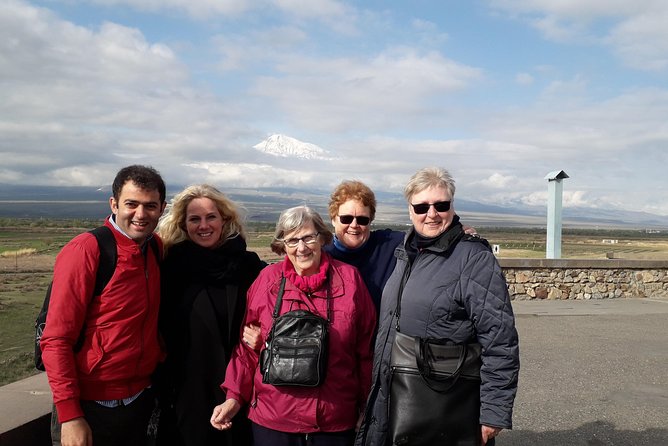
- Mountain views with a famous backdrop: Khor Virap, Charents Arch, and several other stops offer views toward Mount Ararat when conditions are clear.
- Armenian wine in its historic home: Visit Areni, where a 6,100-year-old winery was found, then continue to dramatic Noravank.
- A private setup for up to 15 people: The group rate of $1,820 can be good value for a larger party, but less so for only one or two people.
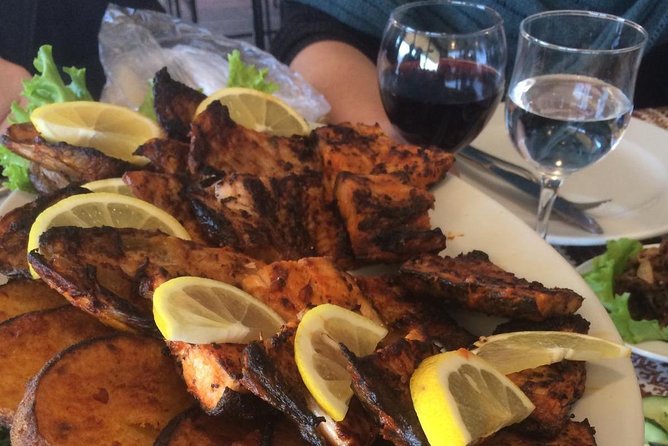
- Food is part of the story, not part of the price: Lunches and drinks are extra, with traditional Armenian meals planned at several stops.
What This Four-Day Armenia Tour Does Well
Armenia is compact enough to visit by road, but the sights are scattered across dry plains, high mountain passes, vineyard country, and wooded northern hills. A private driving tour makes that variety much easier to manage than trying to connect every stop by public transport.
The package costs $1,820 per group of up to 15 people. For a full group, that is excellent value once divided among the participants. A group of 10 pays about $182 per person, while a group of 15 pays about $121 per person before meals and personal spending. For a couple, the price is much harder to justify, although the private guide, vehicle, and ability to adjust the route may still appeal.
You receive a modern air-conditioned minivan, an English-speaking licensed guide, and a bottle of water each day. Food, drinks, souvenirs, and personal expenses are not included. Most admission is free, although Garni Temple has an included admission ticket noted in the schedule.
The biggest strength is the guide-led interpretation. Armenia’s monuments are beautiful, but they become more meaningful when you understand the religious divisions, Soviet period, regional politics, old trade routes, and survival of Armenian customs. Tigran’s response to a past booking also makes clear that he is open to adjusting the tour around personal interests. That matters on a private trip.
More things to do in Yerevan:
- Group Tour: Garni, Symphony of Stones, Geghard, Lavash Baking
★ 5.0 · 1,042 reviews - Group Tour: Lake Sevan (Sevanavank), Dilijan (Goshavank, Haghartsin)
★ 5.0 · 1,036 reviews - Khor Virap, Noravank and Birds’ Cave Trip with Wine Tasting
★ 4.8 · 845 reviews
Day One: Yerevan’s Backyards, Cafesjian Cascade, and Old Streets
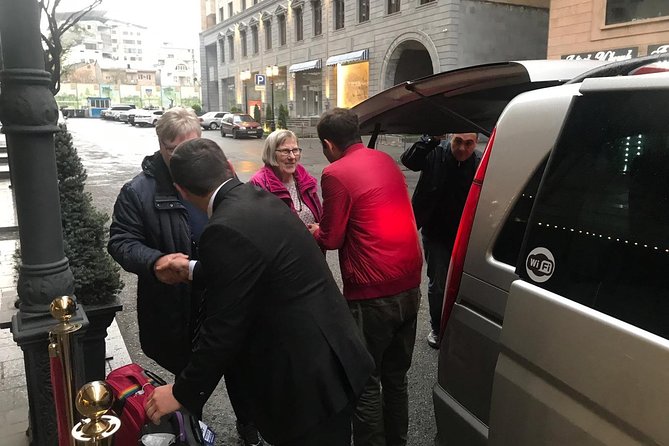
The first day is mainly on foot in central Yerevan, with a sequence of short stops. It is a good introduction before the longer drives begin.
You start at Republic Square, the broad center of the capital. From here, the guide puts Yerevan into context through architecture, geography, religion, economics, and politics. The city has experienced repeated invasions and major political changes, yet many local traditions remain visible in daily life.
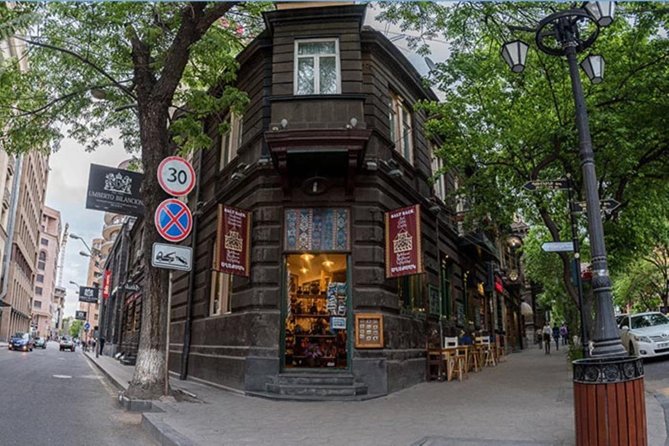
The most unusual part of the walk is the look inside old 19th-century backyards. Behind the more formal streets, you may find former wineries and dental clinics tucked into aging buildings. These details help you see Yerevan as a lived-in city rather than a collection of grand monuments.
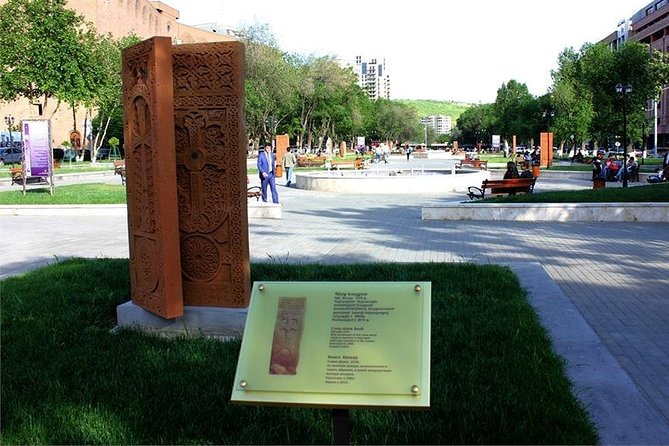
At Vernissage Market, the focus shifts to Armenian identity and national memory. You visit the statue of Garegin Nzhdeh, an important Armenian national figure, then discuss events reaching back to the 16th century. The Cultural Genocide Park includes khachkars, the carved Armenian cross-stones that are among the country’s most recognizable art forms.
The stop also includes the Republic Square metro station. That may sound modest beside a monastery or temple, but it gives you a look at the practical side of Soviet urban planning and Yerevan’s public transport system.
A walk near Dolmama continues the theme of old courtyards. The restaurant itself is associated with Armenian cuisine, but the point here is also the surrounding architecture and the traces of earlier city life. Since lunch is not included, you can decide how much time and money to spend on food.
Abovyan Street is one of the more rewarding urban sections. Built in 1856, it is Yerevan’s oldest street, and its historic buildings reflect the wealth of Armenian merchants. One example is the 1895 house of Egor Khanzadyan, described as one of the city’s wealthiest merchants.
Dalan Art Gallery adds a pleasant change of mood. Its hidden backyard has space for jazz concerts and open-air seating beneath vine-covered roofs. I like this kind of stop because it connects old architecture with present-day Yerevan culture. It is not just a quick photograph outside a major sight.
At Charles Aznavour Square, you see the Grand Hotel Yerevan, which opened in 1926. Its facade uses black Armenian tuff, a volcanic stone often seen in the capital. You may also try sea buckthorn juice, a tart drink that has long been used as food and traditional medicine in several parts of Europe and Asia.
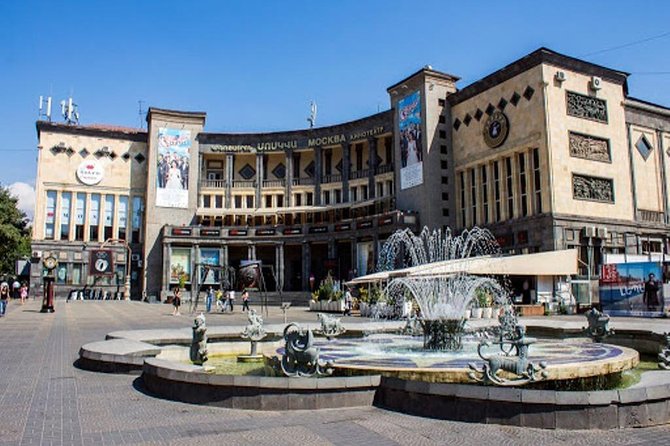
The day continues to Swan Lake and the Armenian National Academic Theater of Opera and Ballet. The Opera House opened in 1933 after construction began during the 10th anniversary celebrations of Soviet Armenia. Its setting gives you another view of how Soviet-era Yerevan combined monumental public buildings with open civic spaces.
You finish at the Cafesjian Center for the Arts and the Cascade. The Cascade is a huge limestone stairway linking downtown Kentron with the Monument area. It is both an art setting and a viewpoint. From the upper levels, you can look across Yerevan toward Mount Ararat, though visibility depends on weather and air conditions.
The first day includes many short stops of 15 to 30 minutes. That keeps the route lively, but it also means you will not have much time for long museum visits or extended shopping. Wear comfortable shoes and expect stairs at the Cascade.
Day Two: Etchmiadzin, Geghard, and Garni
The second day moves west and east of Yerevan, bringing together Armenian Christianity, prehistoric remains, mountain scenery, and a Roman-style pagan temple.
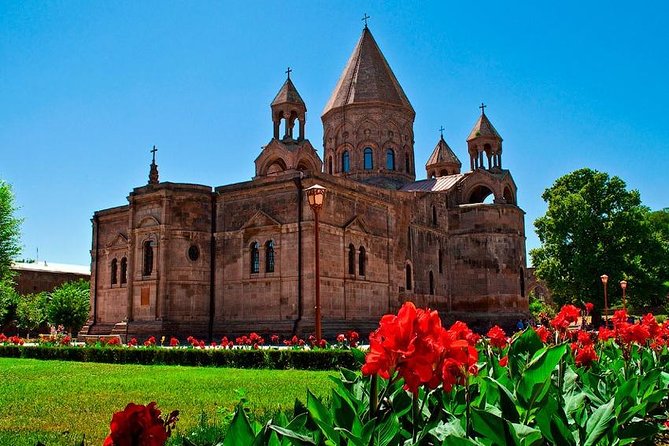
The route includes the standing stones near the ruins of Metsamor Castle before continuing to Etchmiadzin Cathedral. Etchmiadzin is the mother church of the Armenian Apostolic Church and is widely regarded as one of the oldest cathedrals in the world. The stop is especially important if you want to understand why Armenia is often described as the first nation to adopt Christianity as a state religion, though the supplied schedule itself focuses on the cathedral’s age and religious role.
Charents Arch is a short roadside stop with a major payoff. From the arch, you can see across the Ararat plain toward Mount Ararat. The structure was designed by architect R. Israelian in 1957. Because the stop lasts about 15 minutes, it works best as a view and photo break rather than a long sightseeing visit.
Geghard Monastery is the day’s strongest architectural stop. Part of the complex is carved into the surrounding mountain, with cliffs pressing close around the buildings. The setting feels more enclosed and dramatic than many open hilltop monasteries. Geghard is also a UNESCO World Heritage Site with enhanced protection status.
Allow yourself the full hour here. You will want time to look at the stonework, enter the carved spaces, and absorb the change from Yerevan’s streets to a rugged religious site. The ground and steps may require care, so sturdy shoes are useful.
Lunch is planned at Garnitoun, where you can pause before visiting Garni Temple. Meals are extra, and the restaurant stop gives you a chance to try Armenian food without treating lunch as an afterthought. Since the drive and sightseeing are tightly arranged, ask the guide about timing if you want a slower meal.
Garni Temple is a remarkable contrast to Geghard. This first-century AD Graeco-Roman temple was probably dedicated to Mithra, making it a rare surviving pagan monument in a country strongly associated with Christianity. The columns and classical design look unlike the medieval churches elsewhere on the route.
The schedule allows an hour at Garni, which is enough to walk around the temple and take in the surrounding scenery. Armenian visitors may give an impromptu choral performance, an especially memorable possibility because the acoustics and setting invite singing.
Day two is a strong choice for anyone interested in architecture and religion. The drawback is the amount of subject matter packed into one day. Etchmiadzin, Geghard, and Garni each deserve attention, and a rushed approach would reduce the experience to a series of photographs.
Day Three: Khor Virap, Areni Wine, and Noravank
The third day heads south toward the Ararat plain and Vayots Dzor. It is one of the most scenic sections, with vineyards, open pasture, dry mountain country, and red cliffs around Noravank.
Khor Virap is one of Armenia’s best-known viewpoints. The monastery sits among pastures and vineyards on the Ararat plain, with Mount Ararat often visible beyond it. The Arax River flows nearby, and the site lies across from Aralık in Turkey.
The view is weather-dependent, so do not treat a clear sight of Ararat as guaranteed. Even when clouds obscure the mountain, the monastery’s position on the plain gives you a strong sense of Armenia’s border geography and the importance of the mountain in Armenian identity.
The one-hour stop provides time to walk around the monastery and take in the open setting. This is also a place where the guide’s historical and geopolitical explanation adds real value. You are not simply looking at a church. You are standing near a sensitive border region with a complicated past and present.
At Hin Areni winery, the subject turns to Armenian wine. Areni village and the wider Vayots Dzor region have been associated with winemaking for thousands of years. A 6,100-year-old winery was discovered in the village in 2007, giving the area an exceptional connection to the early history of wine production.
The winery visit lasts about 45 minutes. Food and drinks are not included in the tour, so tastings or purchases may cost extra. Still, this is a worthwhile addition because it connects the scenery and local agriculture with a living tradition rather than presenting Armenia only through churches and ruins.
Noravank brings the day to a dramatic finish. The monastery is known for the two-story Surb Astvatsatsin Church, while the surrounding gorge is framed by tall brick-red cliffs. The colors and shapes here are very different from the pale stone of Yerevan or the carved rock at Geghard.
A traditional Armenian lunch is planned at a restaurant within walking distance of Noravank. The food is freshly prepared, but it is not included in the overall tour price. Having lunch near the monastery is practical because it avoids another transfer and gives you time to enjoy the setting.
This is probably the most satisfying day for scenery and food. It is also a long road day, so anyone who dislikes extended driving should take that into account. The reward is a clear progression from monastery to vineyard to red-rock gorge.
A few more options to weigh up in Yerevan
- Tatev & Shaki Waterfall Guided Group Tour with Wine Tasting
★ 5.0 · 266 reviews - Guided tour: Khor Virap, Noravank Monastery, Areni, Jermuk
★ 5.0 · 259 reviews - Lake Sevan & Dilijan Guided Day Trip with Ijevan Wine Tour
★ 4.7 · 135 reviews - Lake Sevan & Dilijan Guided Day Trip with Ijevan Wine Tour
★ 5.0 · 132 reviews
Day Four: Lake Sevan and the Forests of Dilijan
The final day changes the mood again. Instead of dry southern plains, you head toward high Lake Sevan and the forests around Dilijan.
Sevanavank Monastery sits on a peninsula at Lake Sevan, the largest body of water in Armenia and the Caucasus region. The monastery was founded in 874 by Princess Mariam, daughter of King Ashot.
The peninsula was once an island. During the Soviet period, Lake Sevan was artificially drained and the water level fell by about 20 meters, changing the island into the peninsula you see today. That fact adds a useful layer of environmental and political context to an otherwise peaceful-looking stop.
Allow about an hour at Sevanavank. The monastery, lake, and high elevation create a setting unlike the southern wine region. The weather can also feel different, so carrying an extra layer is sensible even if Yerevan is warm.
From Lake Sevan, the route continues to Dilijan Nature Reserve. The area is known for oak and beech forests and is often called Armenian Switzerland or Little Switzerland. That nickname is easy to understand once the dry central and southern scenery gives way to wooded hills.
Dilijan’s Sharambeyan Street has been preserved as an old-town area. The Tufenkian Old Dilijan Complex is part of this section and provides a compact look at traditional architecture and the town’s resort identity. The stop lasts about 30 minutes, so think of it as a short walk and orientation rather than a full town visit.
Lake Parz is the final nature stop. This small lake lies in Dilijan National Park and was formed by natural climatic changes. The scheduled visit lasts about 40 minutes, enough for a quiet pause beside the water and a change from monuments to natural scenery.
Lunch at Flying Ostrich by Dolmama gives the day a final taste of Armenian cooking. The tavern was created by the people behind Dolmama in Yerevan and serves traditional food with a modern twist. Again, lunch is extra, but it is a useful chance to finish with a proper meal rather than relying on snacks during the drive.
Transport, Group Size, and Daily Comfort
The private format is the practical heart of this experience. You travel in a modern, air-conditioned minivan with an English-speaking licensed guide and a driver. Pickup is offered, and the vehicle can accommodate groups of up to 15 people.
A large group should confirm how the seating and luggage will work before booking, since comfort can vary depending on how full the minivan is. For smaller groups, the private arrangement gives you more room to ask questions and request adjustments.
The daily water bottle is a small but welcome inclusion. Several stops are outdoors, and the route crosses dry areas where it is useful to have water at hand. Food and drinks remain your responsibility, so budget separately for lunches, winery purchases, juices, and snacks.
The tour requires good weather. If conditions force cancellation, you are offered another date or a full refund. You can cancel for a full refund up to 24 hours before the start time. Changes or cancellations inside that 24-hour window are not accepted, and the amount paid is not refunded.
Service animals are allowed, the experience is near public transportation, and most people can participate. The schedule still includes walking, stairs, uneven historic sites, and long vehicle rides, so it is worth considering your own mobility before booking.
Who Will Get the Most From This Tour?
I would recommend this tour to a first-time visitor who wants Armenia’s major religious sites, capital-city history, food traditions, wine country, and nature without arranging several separate excursions.
It also suits families and private groups that value a flexible guide. Tigran’s willingness to adjust the trip around interests is a useful advantage, especially if you want extra attention on architecture, history, cuisine, or less obvious parts of Yerevan.
The experience is less suitable for someone who prefers a slow schedule. Day one has many short stops, while days two through four cover considerable distance. You will see a lot, but you will not have unlimited time at each monastery or town.
The strongest match is a group of several people. At $1,820 for up to 15, the per-person cost improves sharply as the group grows. Solo visitors and couples should compare the price with shorter shared excursions, unless private guiding and a custom pace are especially important.
Should You Book the Four-Day Armenia Tour?
Book it if you want a well-rounded first look at Armenia and prefer having the driving, route, and historical context handled for you. The combination of Yerevan’s courtyards, Garni’s pagan temple, Geghard’s carved monastery, Khor Virap’s Ararat view, Areni wine, Noravank’s red cliffs, and Lake Sevan gives you a broad picture of the country in only four days.
Before committing, check your group size and daily pace. The value is strongest for a family or group of friends, and the experience works best for people who enjoy full sightseeing days. If that sounds like your style, this private tour offers an efficient and personal introduction to Armenia, with enough local food and everyday detail to keep the monuments from feeling like isolated stops.
FAQ
What is included in the tour price?
The price includes a modern air-conditioned minivan, an English-speaking licensed guide, and one bottle of water each day. Garni Temple admission is included in the schedule.
Are meals and drinks included?
No. Foods and drinks are not included. Lunch stops are planned at Garnitoun, near Noravank, and Flying Ostrich by Dolmama, but you pay for your own meals and drinks.
How many people can join the private tour?
The tour is priced per group for up to 15 people. Only your group participates in the private activity.
Is pickup offered?
Yes. Pickup is offered as part of the experience.
Can I cancel for a full refund?
Yes. You can cancel at least 24 hours before the local start time for a full refund. Cancellations or changes made less than 24 hours before the start time are not refunded or accepted.
What happens if bad weather cancels the tour?
The experience requires good weather. If it is canceled because of poor weather, you are offered a different date or a full refund.
Just added in Yerevan
- YerevanCard: 3-Day City Pass★ 5.0 · 1 review
- Yerevan: Walking Tour With an Architect
- Yerevan: Museum of Illusions Entry Ticket★ 5.0 · 3 reviews
- Yerevan: Urban Hike through Aygestan and Old Nork★ 5.0 · 1 review
- Yerevan City Tour: Discover an Old and New Yerevan★ 5.0 · 2 reviews
- Yerevan: Brandy Tasting Experience with Local Delicacies★ 5.0 · 1 review
- Wine, Jazz and Magic: A Night at Malkhaz Jazz Club★ 5.0 · 2 reviews
- The Stalin car Yerevan city tour Armenia★ 5.0 · 2 reviews
Guided, compared.
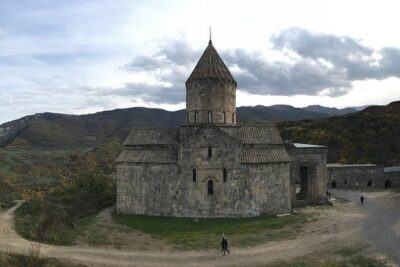
Tatev & Shaki Waterfall Guided Group Tour with Wine Tasting
Read our review →
Lake Sevan & Dilijan Guided Day Trip with Ijevan Wine Tour
Read our review →Lake Sevan & Dilijan Guided Day Trip with Ijevan Wine Tour
Read our review →
Garni, Geghard & Lake Sevan Small-Group Guided Day Trip
Read our review →
Khor Virap, Garni & Geghard Guided Tour with Lavash Baking
Read our review →